
Getting your car insurance quote can sometimes feel like a punch to the gut especially when you drive something as practical, fuel-efficient, and everyday-sensible as a Honda Civic. You look at your bill and think, Wait, isn’t this supposed to be an economical commuter car? Why am I paying sports car prices?
You aren’t imagining things. Civic insurance rates can be surprisingly steep, but there is actual logic behind how insurance companies crunch these numbers. Let’s break down why your Civic costs more to insure than you might expect, followed by some real-world ways to slash that monthly bill.
1. Safety in Numbers (And High Accident Rates)
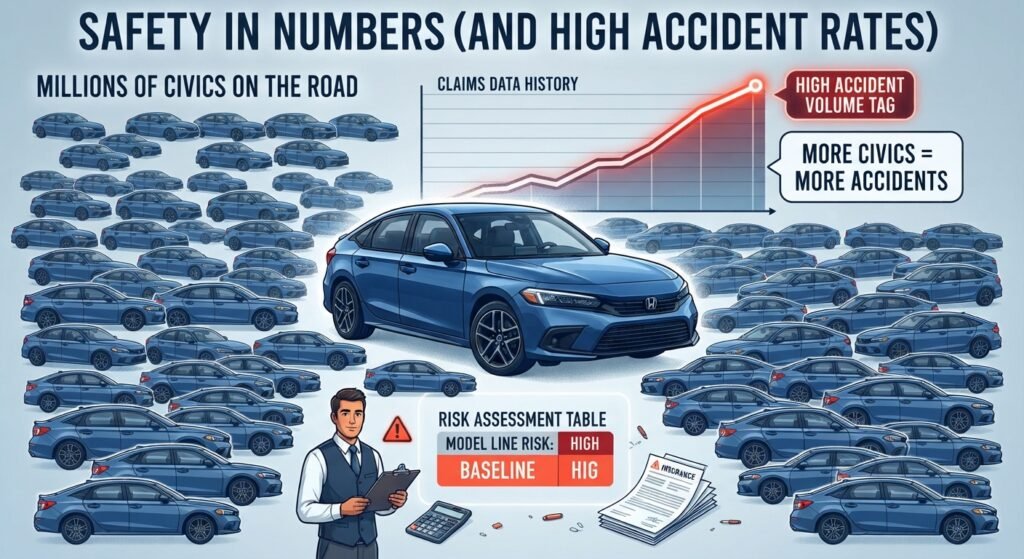
The Honda Civic is consistently one of the best-selling cars on the market. While that’s great for Honda, it’s a double-edged sword for your insurance rates.
- High volume:
Millions of Civics are out on the road every single day. - Statistical probability:
Because there are so many of them, the sheer volume of accidents involving Civics naturally goes up. - Insurance companies live and die by historical claims data. Since more Civics get into fender-benders simply because there are more of them driving around, insurers automatically tag the entire model line with a higher baseline risk.
2. The Driver Demographic Factor
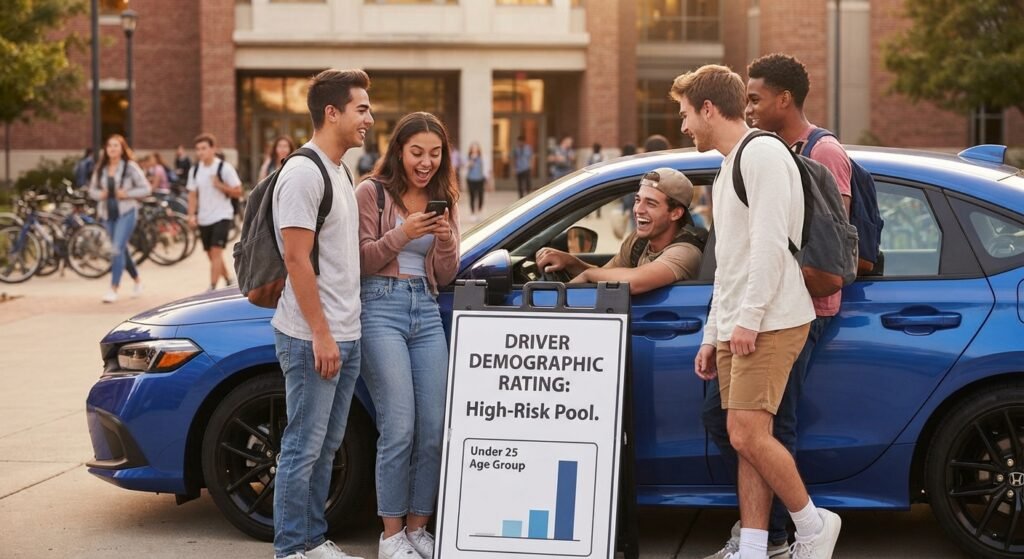
Cars don’t crash themselves drivers do. And vehicle choice often correlates heavily with specific age groups.
- The Honda Civic is a classic favorite for first-time buyers, college students, and younger drivers.
- Insurance risk tables don’t lie: drivers under 25 statistically have less experience behind the wheel and face higher rates of distracted or aggressive driving.
- Because a massive chunk of Civic owners and primary drivers fall into this younger bracket, insurance underwriters bump up the baseline rates for the entire model family to offset that demographic’s overall risk pool.
3. A Long History of Being Targeted by Thieves

Comprehensive insurance covers theft, and this is where the Civic has historically taken a hit.
- For decades, older generations of the Honda Civic sat comfortably at the top of nationwide stolen vehicle lists. Older models lacked modern electronic immobilizers, making them easy targets.
- Furthermore, because the Civic is so popular, a massive black market exists for chop shops needing interchangeable spare parts.
- Even though brand-new Civics come packed with advanced security tech, historical theft data sticks around in actuarial tables for a long time, keeping comprehensive rates elevated.
4. Sporty Trims and Performance Variants
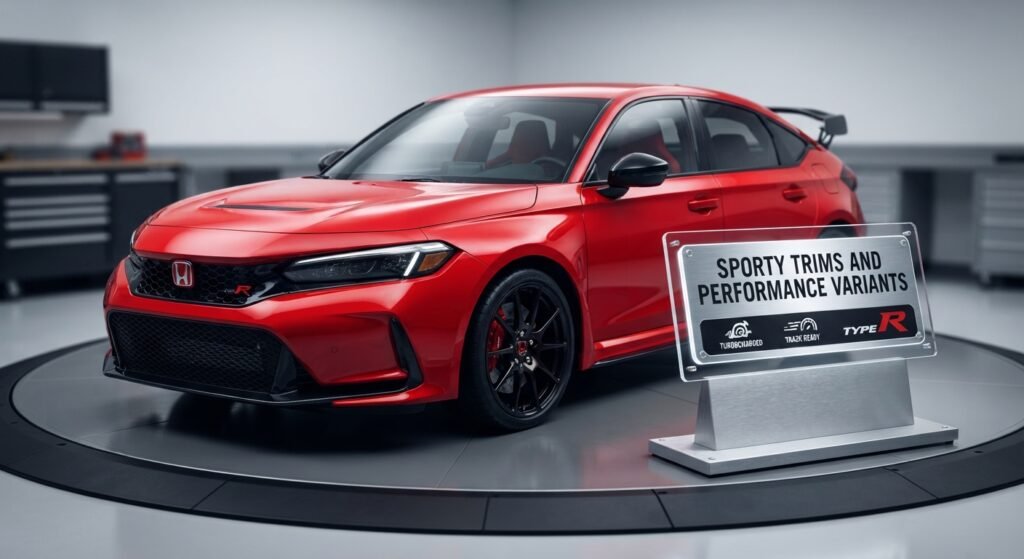
Not all Civics are built the same. A standard, eco-friendly commuter sedan carries a very different risk profile than its race-inspired siblings.
- If you drive a sporty trim like the Civic Si or the track-ready Civic Type R, you are paying for turbocharged horsepower, aggressive styling, and rapid acceleration.
- Insurers factor these performance capabilities and the driving habits of people who buy them straight into your bill. Thrill-seekers cost more to insure, period.
5. Modern Tech Means Expensive Repairs
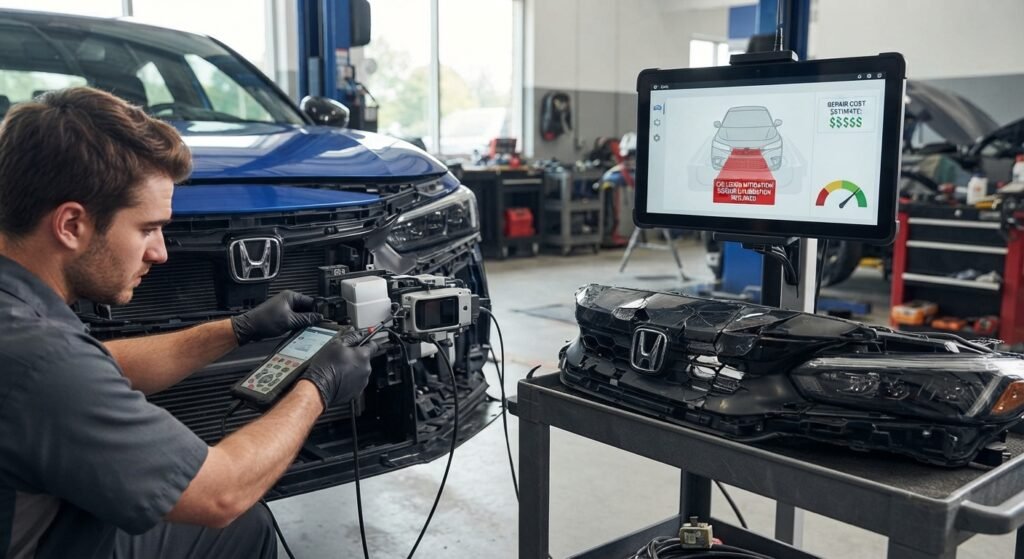
Remember when a minor fender-bender just meant a quick trip to the mechanic to hammer out a dent and slap on some new paint? Those days are gone.
- Modern Civics are packed with advanced safety tech like collision mitigation braking, lane-keeping assist, and sensitive radar sensors tucked right behind bumpers and windshields.
- When you get into a low-speed bump today, body shops aren’t just fixing metal they are replacing and recalibrating expensive electronic hardware.
- Because average repair bills have skyrocketed, insurance companies charge more for collision coverage to cover those pricey shop bills.
How to Lower Your Honda Civic Insurance Bill

The good news? You aren’t totally stuck paying an arm and a leg. Here are a few practical ways to shrink your monthly payment:
- Shop around regularly:
Insurance companies change their underwriting formulas all the time. What was expensive last year might be a bargain with a different carrier today. - Raise your deductible:
If you have a solid emergency fund set aside, bumping your deductible from $500 to $1,000 can drastically lower your monthly premium. - Protect your driving record:
Speeding tickets and at-fault accidents are the quickest way to send your rates through the roof. Drive smart and keep it clean. - Hunt for discounts:
Ask your provider about safe driver programs, good student discounts, paperless billing, and multi-policy bundles (like combining auto and renters/home insurance). - Drop full coverage on older models:
If you’re driving an older, fully depreciated Civic where the car’s actual market value is quite low, paying for comprehensive and collision coverage might no longer make financial sense.