
If you own a 2020 Honda Civic with the 1.5L turbocharged engine, you have likely felt a bit of anxiety. You have probably read forum posts about oil dilution in older models.
Maybe you noticed a faint smell of gasoline when checking your oil. Perhaps a friend told you that all Honda turbo engines have this issue.
It is easy to feel worried when you see your oil level rising slightly on the dipstick. You start wondering if your engine is failing prematurely.
The good news is that the 2020 model year received significant updates. Honda addressed many of the software logic issues found in the earlier 2016 to 2018 versions.
In this guide, we will clear up the confusion. We will look at what is normal for your car and what actually requires a trip to the mechanic.
Why Direct Injection Engines Are Different
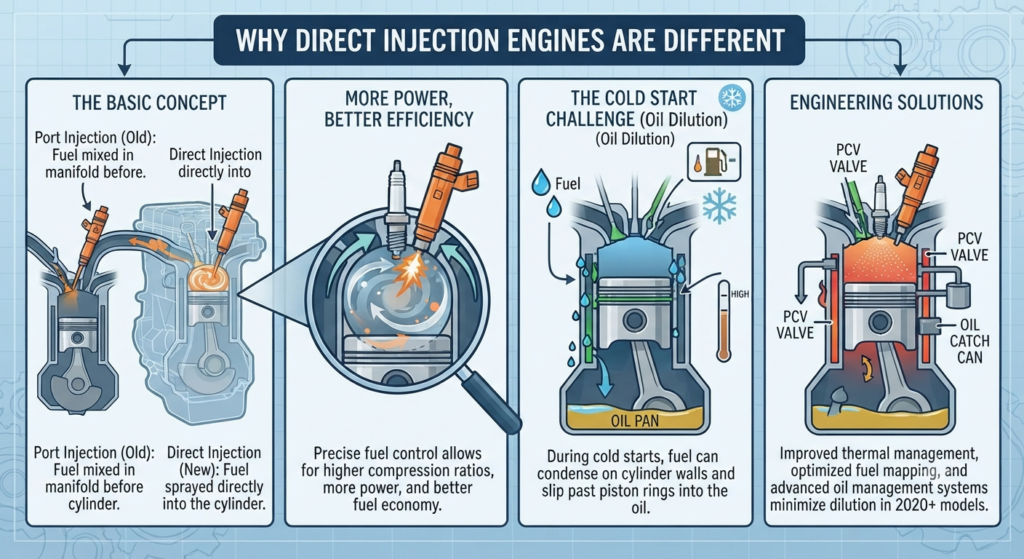
To understand oil dilution, you first need to understand your engine. The 1.5L turbo in your Civic uses direct fuel injection.
This technology sprays fuel directly into the combustion chamber. It is great for power and fuel efficiency.
However, it comes with a trade-off during cold starts. When the engine is cold, the fuel does not always vaporize completely.
Some of this fuel can slip past the piston rings. It then mixes with the engine oil in the crankcase.
This process is called oil dilution. It happens to almost every direct injection engine on the market today.
How to Tell If Your 2020 Civic Has a Problem
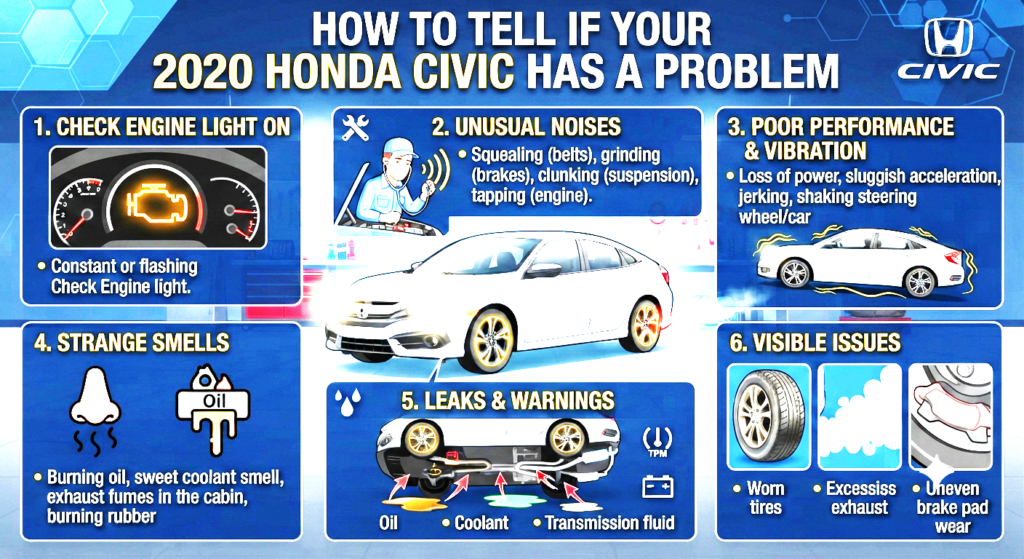
Many owners panic when they think they smell gas. But how do you know if it is a major issue?
First, do not rely on your nose alone. The smell of gasoline near a car is common, even when everything is working perfectly.
You need to perform a manual dipstick check. It is the most reliable way to monitor your oil level.
Steps to Check Your Oil Properly
- Drive the car until it reaches full operating temperature.
- Park the car on a perfectly level surface.
- Wait about three minutes for the oil to settle back into the pan.
- Pull the dipstick out, wipe it clean, and reinsert it fully.
- Pull it out again and check the level against the markings.
If the oil level is significantly above the top mark, you may have an issue. If the level is within the safe zone, your engine is operating normally.
The 2020 Improvement: What Changed?

The 2016 to 2018 models faced the brunt of this issue. Many owners reported excessive fuel in the oil during winter months.
Honda responded with a technical service bulletin and software updates. These updates changed how the engine warms up.
By adjusting the fuel mapping and idle speed, the engine reaches operating temperature much faster. This reduces the time the engine spends in the cold start phase.
When you buy a 2020 model, these improvements are already built in from the factory. Most of the early issues that plagued the first generation of this engine have been resolved.
However, no engine is immune to physics. If you drive very short distances in extreme cold, you might still see some fuel in your oil.
3 Golden Rules for 1.5T Owners
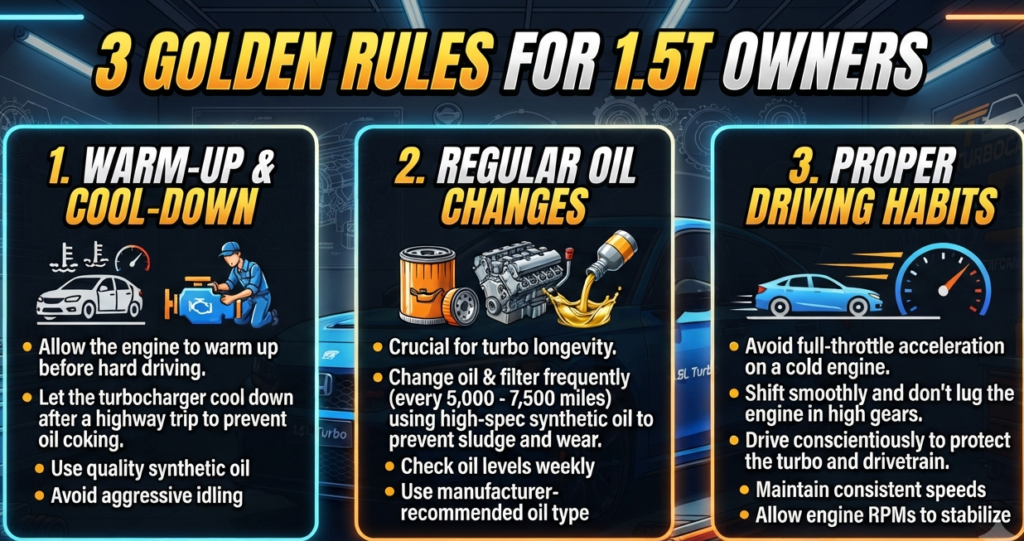
Even with the updates, you can take steps to keep your engine healthy. These habits will prevent excessive oil dilution.
1. The 5,000 Mile Oil Change Rule
The maintenance minder in your car might suggest longer intervals. In many cases, it tells you to wait until 7,000 or 8,000 miles.
For a turbocharged engine, this is often too long. We recommend changing your oil every 5,000 miles.
Fresh oil keeps the engine components clean. It also ensures that the lubricating properties of the oil are not degraded by fuel.
2. The Long Drive Strategy
Short trips are the biggest enemy of your engine. If your commute is less than five miles, the engine never fully warms up.
Try to take your car for a longer drive at least once a week. Driving for 20 minutes at highway speeds allows the engine oil to heat up.
This heat helps the fuel that has slipped into the oil evaporate. It essentially cleans the crankcase of excess gasoline.
3. Use High Quality Oil
Always use the oil recommended by Honda. It is usually a full synthetic 0W-20 oil.
Full synthetic oil is more resistant to fuel dilution. It maintains its viscosity better than conventional oil.
Look for oils that are specifically designed for direct injection engines. They often have better cleaning agents to prevent deposits.
When to See a Mechanic
You do not need to worry about every minor fluctuation. However, there are times when you should visit a professional.
If your oil level is rising rapidly, seek help. This could indicate a leaking fuel injector or a mechanical sensor fault.
If your check engine light comes on, get it scanned immediately. Modern cars are very good at telling you if the air fuel mixture is wrong.
If the engine runs rough or hesitates while accelerating, take it to the dealer. These are signs that something beyond normal oil dilution is occurring.
Frequently Asked Questions
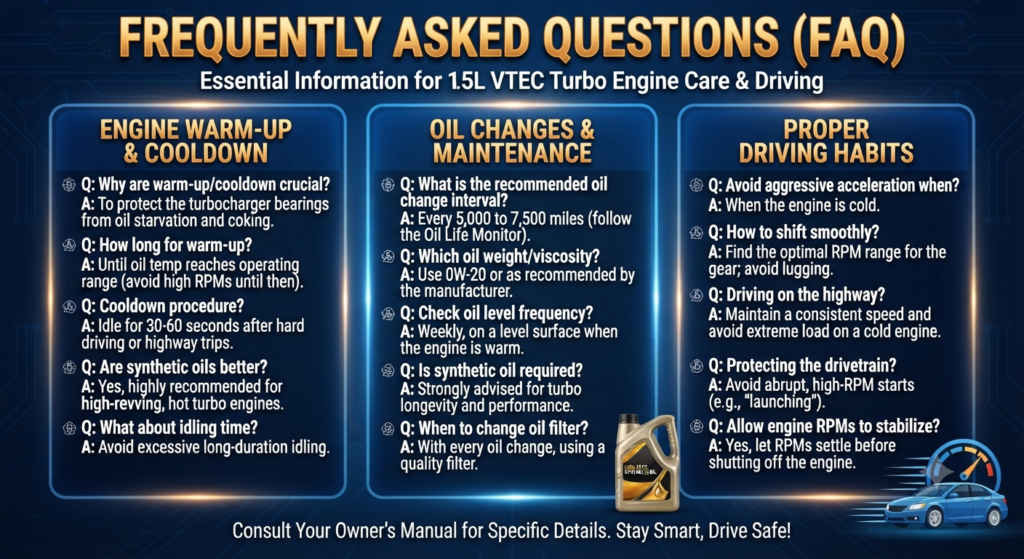
Is the gas smell dangerous?
A slight smell of gas is normal for a cold start. It becomes a concern only if the smell is overwhelming or persists after the engine is warm.
Should I trade in my 2020 Civic?
There is no need for that. The 2020 model is reliable and well engineered. With proper maintenance, these engines easily last for hundreds of thousands of miles.
Does cold weather make it worse?
Yes. Cold weather keeps the engine in the cold start loop for longer. If you live in a freezing climate, the long drive strategy is even more important.
Final Verdict
The 2020 Honda Civic is a fantastic vehicle. While oil dilution is a characteristic of its engine design, it is not a fatal flaw.
By understanding how your engine works, you can avoid the common pitfalls. Focus on regular maintenance and longer drives when possible.
Do not let internet rumors spoil your experience. Your 2020 Civic is built to last if you treat it with the right care.
Stay proactive with your oil changes and enjoy the drive. You are likely in much better shape than you realize.