
Thinking about buying a used 2018 Honda Civic Turbo? Or maybe you already own one and are worried about that strange fuel smell or AC issue? You are definitely not alone.
The 2018 Honda Civic is widely considered one of the best compact cars on the market. It offers a perfect blend of fuel efficiency, sporty handling, and reliability.
However, the 1.5L turbocharged engine does come with a specific set of “quirks.” While most of these are manageable, knowing about them is essential for any owner or potential buyer.
In this guide, we will break down the most common 2018 Honda Civic turbo problems. We will look at what they are, how to identify them, and most importantly, how to fix or prevent them.
Is the 2018 Honda Civic Turbo Reliable?
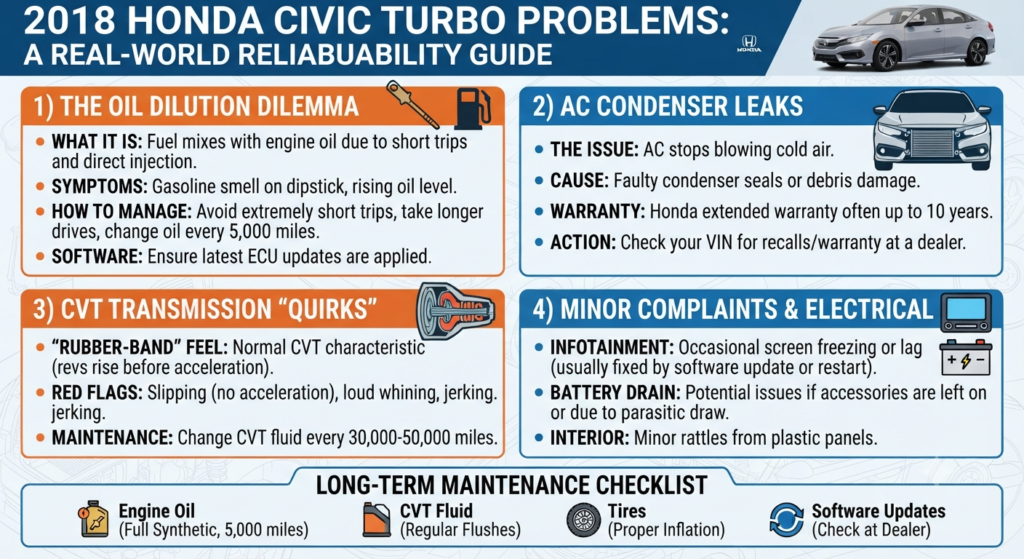
Generally speaking, yes. The 2018 Civic remains a top-tier choice for commuters and families.
Most owners drive hundreds of thousands of miles with nothing more than routine maintenance. The car is built well, the technology is solid, and the resale value stays high.
But reliability is not just about the engine staying on. It is about avoiding unexpected repair bills. By understanding the common pain points of the 1.5L turbo engine, you can stay ahead of potential issues.
Let’s dive into the specifics so you can enjoy your ride with peace of mind.
1. The Oil Dilution Dilemma
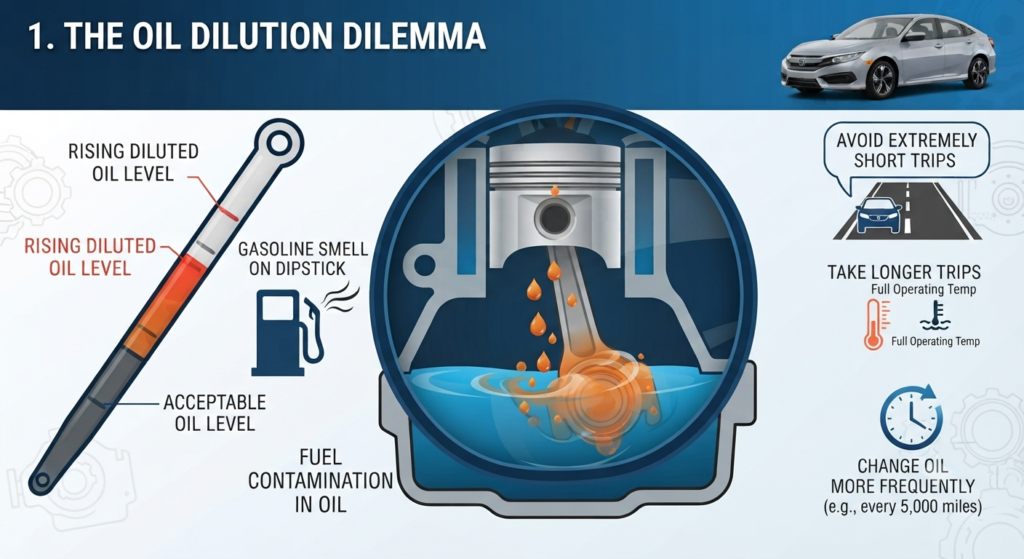
This is perhaps the most discussed topic regarding the 1.5L turbo engine. You might have read about it on forums or heard people talking about “fuel in the oil.”
What is Oil Dilution?
In direct-injection engines like the one in the 2018 Civic, fuel is sprayed directly into the combustion chamber.
If the engine does not reach its full operating temperature often due to short trips some fuel can slip past the piston rings. This fuel then settles into the crankcase and mixes with your engine oil.
The Symptoms
- You notice a strong smell of gasoline when you check the oil dipstick.
- The oil level on the dipstick seems to be rising over time.
- In extreme cases, the engine might run slightly rough during a cold start.
How to Manage It
Honda did release software updates to help the engine warm up faster. If you are buying a used model, ask the seller or a dealer if the latest ECU updates have been applied.
Prevention Tips:
- Avoid taking the car on extremely short trips where the engine stays cold.
- Change your oil more frequently. Instead of waiting for the maintenance minder, many owners change it every 5,000 miles.
- Make sure you take the car on longer drives regularly to help the engine reach its full heat, which helps evaporate fuel trapped in the oil.
2. Air Conditioning (AC) Condenser Leaks
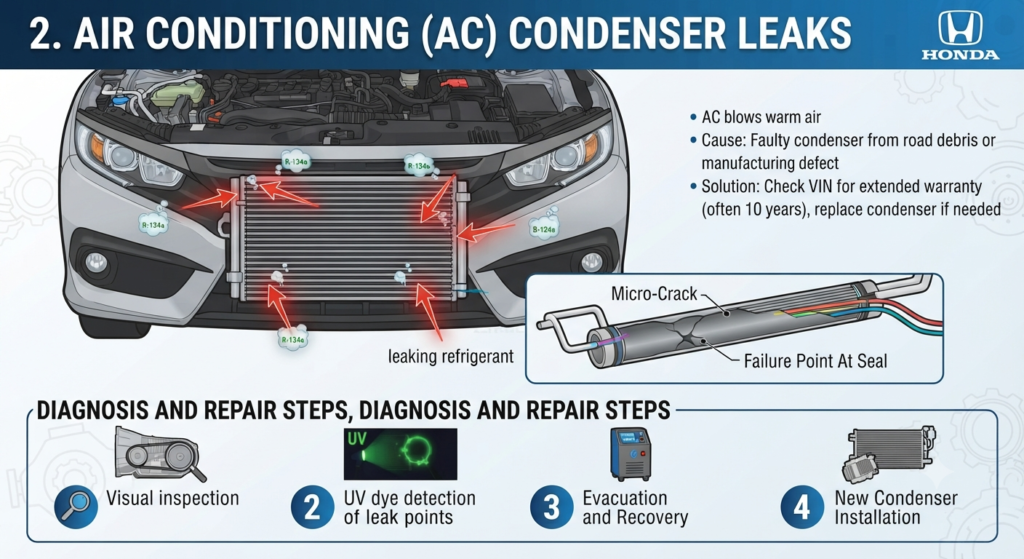
Many 2018 Civic owners have reported issues with the AC system not blowing cold air. This is usually caused by a faulty AC condenser.
Why Does It Happen?
The condenser is located at the front of the car. It is prone to debris hitting it from the road. However, there was also a known manufacturing defect where the seals would fail, causing refrigerant to leak out.
The Good News
Honda acknowledged this issue and issued a service bulletin. In many cases, they extended the warranty for the AC condenser to 10 years from the original purchase date.
What To Do If Your AC Fails
- Check your VIN on the official Honda recall and warranty website.
- If your AC is blowing warm air, do not just pay for a recharge. Take it to a dealer to see if you are covered under the extended warranty.
- If you are out of warranty, an independent shop can often replace the condenser for significantly less than a dealership.
3. CVT Transmission “Quirks”
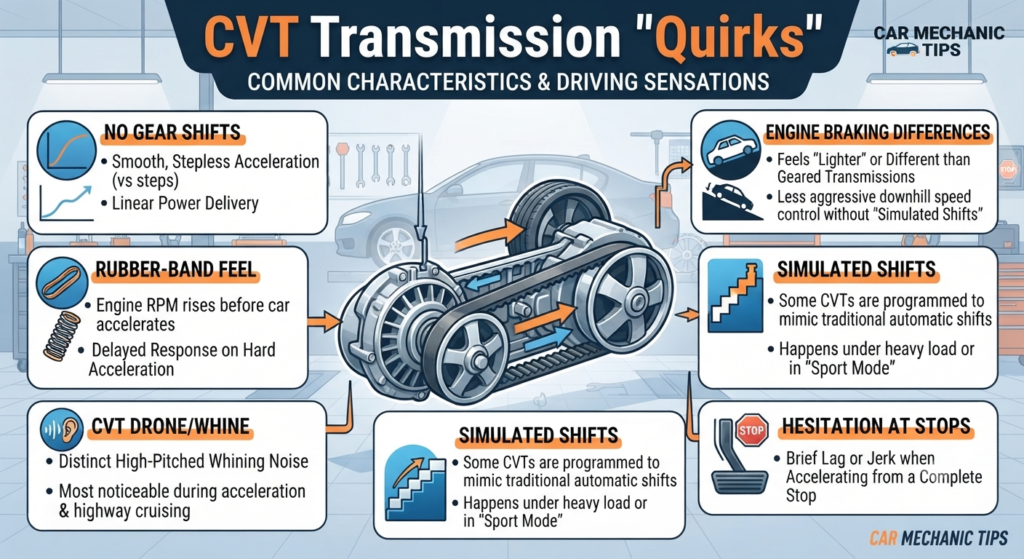
The 2018 Honda Civic uses a Continuously Variable Transmission (CVT). Unlike a traditional automatic, a CVT does not use fixed gears.
The “Rubber-Band” Feel
Some drivers find the CVT feel strange. It can feel like the engine is revving, but the car is taking a second to catch up. This is actually a normal characteristic of most CVTs, not necessarily a failure.
Warning Signs of Actual Trouble
While the “rubber-band” feel is normal, you should look out for these red flags:
- Slipping: The engine revs high, but the car does not accelerate at all.
- Loud Whining: A constant, high-pitched noise coming from the transmission area.
- Jerking: The car feels like it is “stuttering” during steady highway speeds.
Maintenance is Key
The best way to keep your CVT healthy is to follow the maintenance schedule. Most mechanics recommend changing the CVT fluid every 30,000 to 50,000 miles, even if the manual says longer.
4. Minor Complaints and Electrical Niggles
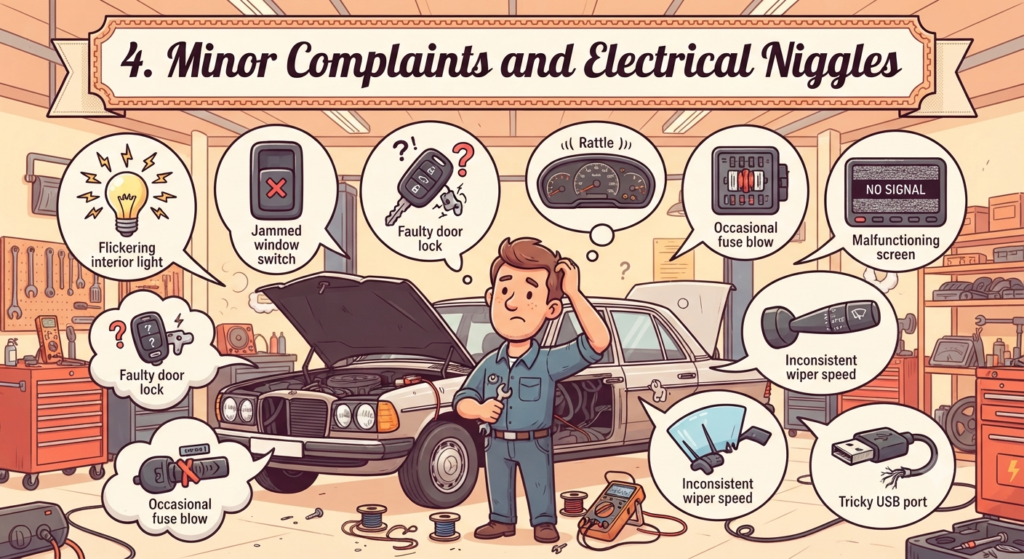
Aside from the major components, there are a few smaller issues that some owners report. These are usually annoying rather than dangerous.
Infotainment Glitches
The touchscreen system can occasionally freeze or lag. A simple restart of the car usually fixes this. If it persists, check if there is a software update available for your head unit.
Battery Drain
Some owners have reported their battery dying prematurely. This is often due to accessories being left on or a parasitic draw from an aftermarket device. Always check your battery health during your routine oil change.
Interior Rattles
The 2018 Civic has a lot of plastic in the cabin. Over time, some owners notice rattles from the dashboard or door panels. These are easily fixed with a bit of felt tape or by securing loose clips.
Maintenance Checklist for Long-Term Ownership
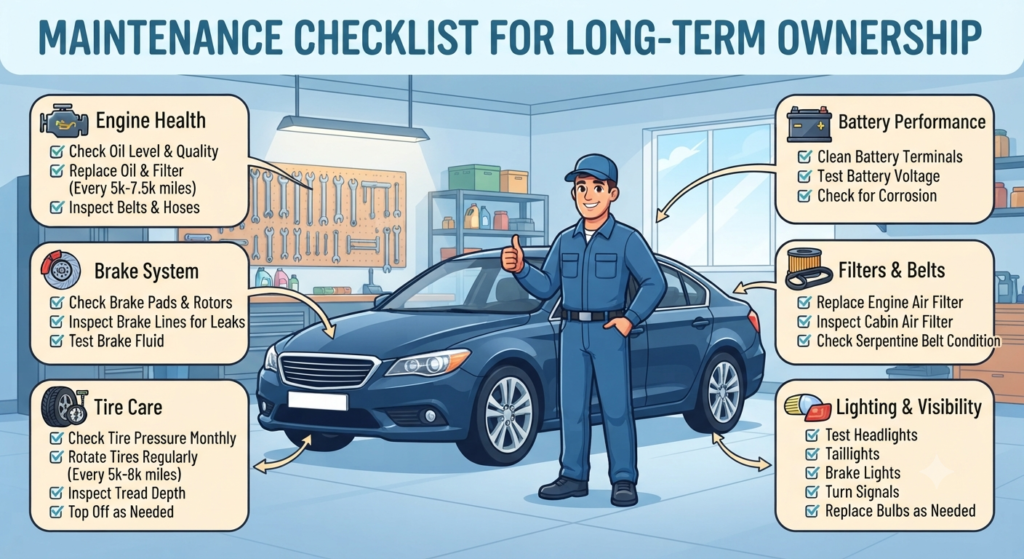
To keep your 2018 Honda Civic running for the long haul, follow this proactive schedule.
- Engine Oil: Switch to a 5,000-mile interval. Use high-quality full synthetic oil.
- CVT Fluid: Do not ignore this. Fresh fluid prevents internal wear and tear.
- Tires: Keep them properly inflated. This reduces stress on the suspension and improves fuel economy.
- Software: Every time you visit the dealer, ask if there are any open product updates or software patches for your specific VIN.
Should You Still Buy a 2018 Honda Civic?
The short answer is yes.
When you look at the big picture, the 2018 Honda Civic remains one of the best value-for-money vehicles you can buy. The “problems” listed above are well-documented, which means mechanics know exactly how to fix them.
Most of these issues can be avoided or mitigated with simple, consistent maintenance. As long as you are aware of the oil dilution and AC condenser situations, you can negotiate a better price or keep a bit of money aside for potential repairs.
Do not let these minor issues scare you away from a great car. Just be a smart buyer. Always get a pre-purchase inspection from an independent mechanic before handing over your cash.
Frequently Asked Questions (FAQs)
Is the 2018 Civic Turbo engine prone to blowing up?
No. The 1.5L Turbo is a very robust engine. As long as you change the oil on time and do not abuse the car, it can easily last well over 200,000 miles.
How do I know if my AC condenser is covered?
You can contact your local Honda dealership with your Vehicle Identification Number (VIN). They can instantly tell you if your car is covered under the extended warranty program.
Should I worry about the CVT failing?
For most drivers, the CVT is perfectly reliable. As long as you avoid harsh driving and stick to the recommended fluid change intervals, you should not face major issues.
Is the fuel smell in the oil dangerous?
It is a concern that should be managed, but it is not an immediate emergency. It is a sign that you should adjust your driving habits or increase your oil change frequency.