
Introduction
The Honda Civic is more than just a car. For millions of drivers in the United States, it is a reliable companion and a smart financial investment.
If you own a Honda Civic that is approaching the three-year mark with roughly 36,000 miles on the odometer, you are at a crossroads. Many owners find themselves asking if now is the right time to sell.
The automotive market is constantly shifting. Understanding how your specific mileage and age affect your vehicle’s value is the key to a profitable transaction.
In this guide, we will break down the depreciation curve, the importance of the 36,000-mile warranty threshold, and exactly how you can squeeze the most value out of your vehicle.
The Reality of 3-Year Depreciation
Depreciation is the biggest hidden cost of owning a vehicle. Unlike a house, a car loses value the moment it leaves the dealership lot.
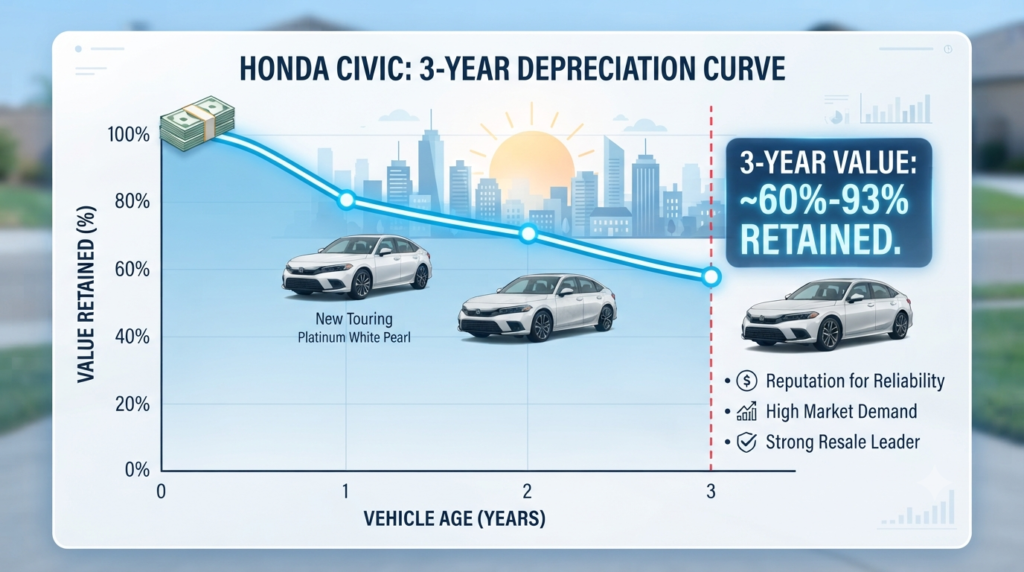
However, the Honda Civic is famous for holding its value better than almost any other compact sedan. On average, a new car loses about 20 percent of its value in the first year alone.
The Honda Civic often retains 80 to 93 percent of its value after three years. This depends heavily on the current demand for used vehicles and the specific trim level you own.
Why does it hold value so well? It comes down to a reputation for reliability that spans decades. Buyers know that a three-year-old Civic still has years of trouble-free driving ahead.
Why 36,000 Miles is the Magic Number
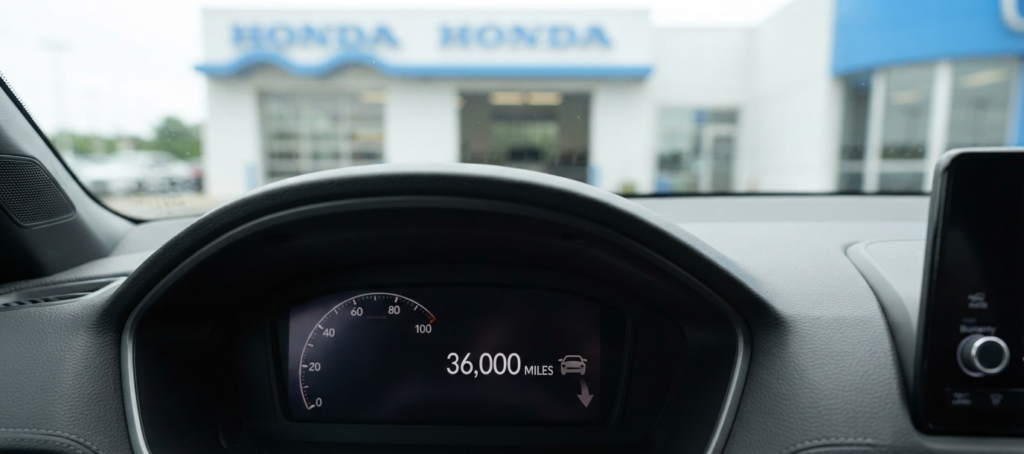
In the United States, 36,000 miles is a significant milestone for any car owner. It is the exact point where the standard Honda bumper-to-bumper factory warranty typically expires.
This is a psychological trigger for both buyers and sellers. For a buyer, a vehicle under 36,000 miles feels like a low-risk investment because it still carries manufacturer protection.
Once you pass this mileage, the value of the car takes a slightly steeper dip. If you are planning to sell, doing so at 35,000 miles is often much more profitable than waiting until you hit 40,000 miles.
You are essentially selling the remaining peace of mind. Buyers are often willing to pay a premium for a car that still qualifies for a factory warranty transfer.
Factors That Boost Your Resale Value
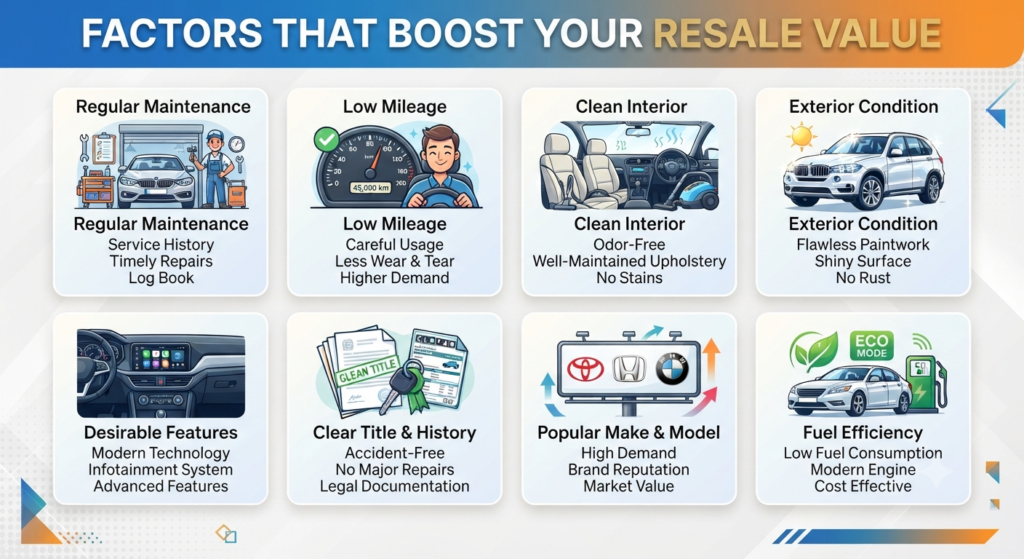
Selling a car is about presentation and proof. You need to show the next owner that the car was loved and well-maintained.
1. The Power of Maintenance Records
Nothing screams value like a complete service history. If you have kept every invoice from your oil changes and tire rotations, you are ahead of 90 percent of sellers.
Organize these documents in a folder. When a buyer sees a documented paper trail, they feel confident that they are buying a car that will not require immediate repairs.
2. Exterior and Interior Condition
First impressions are everything. A car that has been professionally detailed will always sell faster and for more money than a dirty one.
Invest in a deep clean for the interior. Steam clean the carpets, wipe down the dashboard, and make sure there are no lingering odors.
For the exterior, a high-quality wax can hide minor surface swirls. If you have any small paint chips, a touch-up pen can make a world of difference in the overall look.
3. The Importance of Tires and Brakes
Check your tires. If you are running on the original tires and they are nearing the end of their life, the buyer will likely use this as a bargaining chip to lower your price.
If you recently replaced the tires or the brakes, make sure to highlight this in your listing. These are significant maintenance items that a new owner will not have to worry about for years.
Understanding Your Trim Level
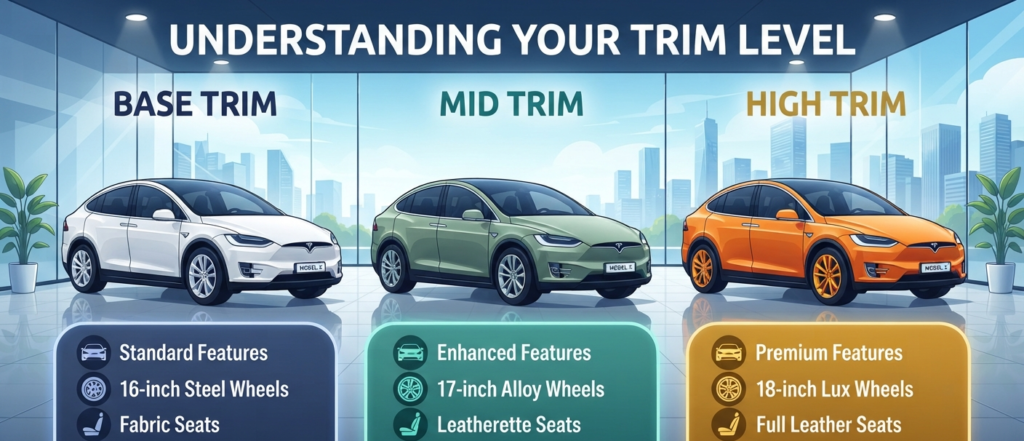
Not all Honda Civics are created equal when it comes to resale. The trim level you chose three years ago plays a major role in your current equity.
- LX/Sport Trims: These are popular because they are affordable and reliable. They have high turnover rates on the used market.
- EX/Touring Trims: These offer more technology and comfort. They attract buyers who want luxury features at a used-car price point.
- Si/Type R: These are specialty vehicles. They often hold their value better than any other trim due to a dedicated enthusiast fanbase.
Before you set your asking price, look at similar trims in your local area. Use sites like Kelley Blue Book or Edmunds to get a baseline, but always add a slight premium for your specific maintenance records.
Private Sale vs. Dealer Trade-in
One of the most common questions owners face is whether to sell privately or trade the car in at a dealership.
The Case for Private Sales
A private sale will almost always result in more money in your pocket. You are selling directly to the end-user, skipping the dealer markup.
However, you must be prepared for the work. You will need to take photos, write a compelling description, and coordinate test drives with strangers.
The Case for Dealer Trade-ins
Trading your car in is the definition of convenience. You drive your old car to the dealer and drive home in a new one.
Dealers will handle all the DMV paperwork for you. Additionally, in many US states, you only pay sales tax on the difference between the new car price and your trade-in value, which can save you hundreds of dollars.
Preparing Your Listing for Maximum Impact
If you choose to sell privately, your advertisement needs to be professional. Avoid blurry photos taken in a dark garage.
Take at least 15 high-quality photos during the day. Include shots of the front, back, sides, interior, dashboard, and the condition of the tires.
In your description, be honest about the car. Mention that it is a one-owner vehicle, that it has been garage-kept, and emphasize that all service was done at a Honda dealership.
The Financial Strategy for Your Next Move

If you are selling your Civic to upgrade, consider the timing of the market. Used car prices fluctuate based on the availability of new cars.
When new car inventory is low, the price of used vehicles like the Honda Civic tends to rise. Watch the market trends in your area for a few weeks before you list your car.
If you are not in a rush, you have the luxury of waiting for the right buyer. Don’t feel pressured to accept the first low-ball offer you receive.
Common Mistakes to Avoid
Many sellers make the mistake of overestimating the value of aftermarket modifications. While you might love your custom wheels or exhaust system, they rarely add value for a typical buyer.
In fact, some buyers may view modifications as a sign that the car was driven hard. If you have made changes, try to return the car to stock condition before selling.
Another mistake is ignoring small cosmetic issues. A cracked windshield or a non-functioning interior light can make a buyer wonder what other, more serious, maintenance items you have ignored.
Summary Checklist for Sellers
To ensure you get the best price, follow this quick checklist before you start the selling process:
- Gather all records: Collect every service receipt you have saved.
- Detail the car: Get a professional interior and exterior clean.
- Fix minor issues: Repair small dents, light bulbs, or windshield chips.
- Check the tires: Ensure they are inflated and in good condition.
- Research pricing: Check online tools for the current market value of your trim.
- Take photos: Use natural lighting for clear, honest photos.
- Prepare the title: Ensure your title is clean and ready for transfer.
Conclusion
Selling your Honda Civic after three years and 36,000 miles is an excellent strategy. You are selling a vehicle that still has a great reputation and plenty of life left in it.
By focusing on maintenance records, presentation, and smart selling tactics, you can ensure that you receive top dollar for your vehicle.
The Honda Civic is a reliable machine that has served you well. With a little bit of preparation, it can also provide a solid down payment for whatever vehicle you decide to drive next.