
The Honda Civic is globally famous for being affordable, fuel-efficient, and incredibly dependable. Millions of drivers rely on it every day as a reliable commuter car, a practical grocery getter, and a comfortable highway cruiser.
Despite its budget-friendly reputation, many buyers experience serious financial shock when they open their first insurance bill. In some cases, the monthly coverage cost can rival or even exceed the actual car payment.
This guide breaks down the real reasons behind these high insurance costs and shares proven, practical steps you can take to lower your monthly premium.
The Real Numbers: What Does Civic Insurance Actually Cost?
Full coverage insurance for a Honda Civic typically averages between $2,400 and $3,051 per year across the United States. This translates to roughly $180 to $250+ per month, depending heavily on your state, ZIP code, and personal driving history.
When compared directly against competitors like the Toyota Corolla or Mazda 3, the Civic often sits slightly higher on national insurance rate tables. This price gap regularly surprises shoppers who assume all standard compact sedans cost roughly the same to insure.
Insurance underwriters look closely at historical claims data for every model year. Basic commuter trims generally enjoy lower baseline rates, while sportier variations trigger higher risk multipliers across the board.
Top 5 Reasons Why Honda Civic Insurance Rates Are Expensive
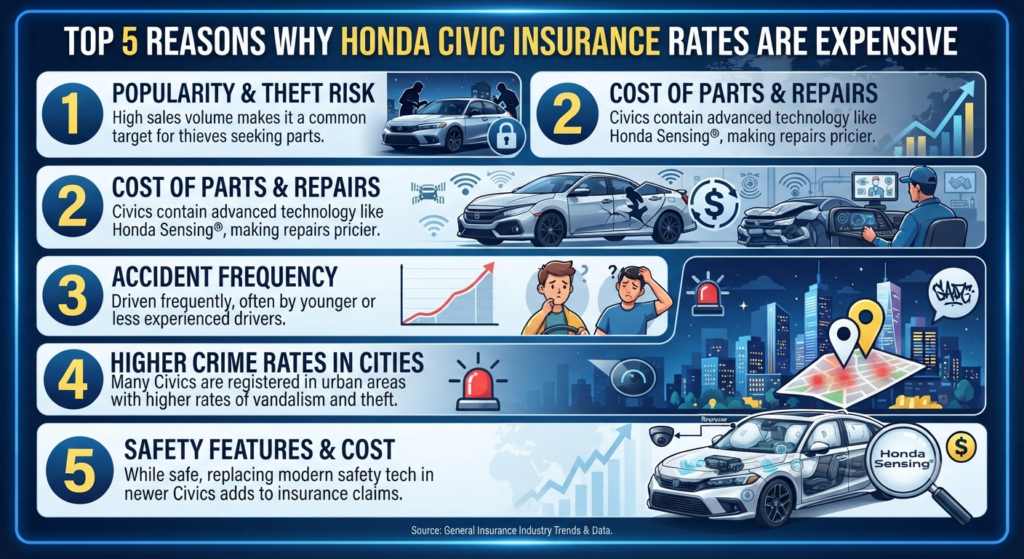
1. High Theft and Vandalism Rates Nationwide
The Honda Civic consistently ranks among the most stolen vehicles in the United States year after year. Because millions of these cars share identical parts, the heavy demand for chop-shop components drives up comprehensive claim payouts for insurance companies. Thieves target both older and newer models because the parts are easy to strip and resell on the black market.
2. High-Risk Driver Demographics
Younger drivers, teenagers, and college students frequently purchase or inherit Honda Civics as their first vehicles. Because insurance companies view less experienced drivers as high-risk, the entire demographic pool for the Civic sees elevated insurance rates. Statistically, drivers under 25 are involved in more accidents due to a lack of road experience.
3. Expensive Modern Repair Technology
Newer Civic models feature advanced safety suites, radar sensors embedded in front bumpers, and sophisticated windshield cameras. Minor parking lot bumps that used to cost a few hundred dollars to fix now require expensive sensor recalibrations. The complex electronic calibration required afterwards inflates repair claim costs, which insurance companies offset by raising overall premiums.
4. Powertrain Performance and Underwriting Risk
While standard commuter trims are modest, sportier variations like the Civic Si and the high-performance Civic Type R attract faster driving styles. Insurance companies assign high-performance surcharges to these specific trims based on historical speed and accident data. If your insurance policy lists a performance trim, underwriters immediately categorize you into a higher risk bracket.
5. Regional and ZIP Code Risk Weighting
Insurance pricing changes dramatically depending on where you park your car every night. Living in densely populated urban areas with high rates of local accidents, uninsured motorists, and vehicle break-ins will automatically spike your Civic premium. Moving just a few blocks across a ZIP code line can instantly change your monthly rate by hundreds of dollars.
The Hidden Factor: Modifications and Aftermarket Parts
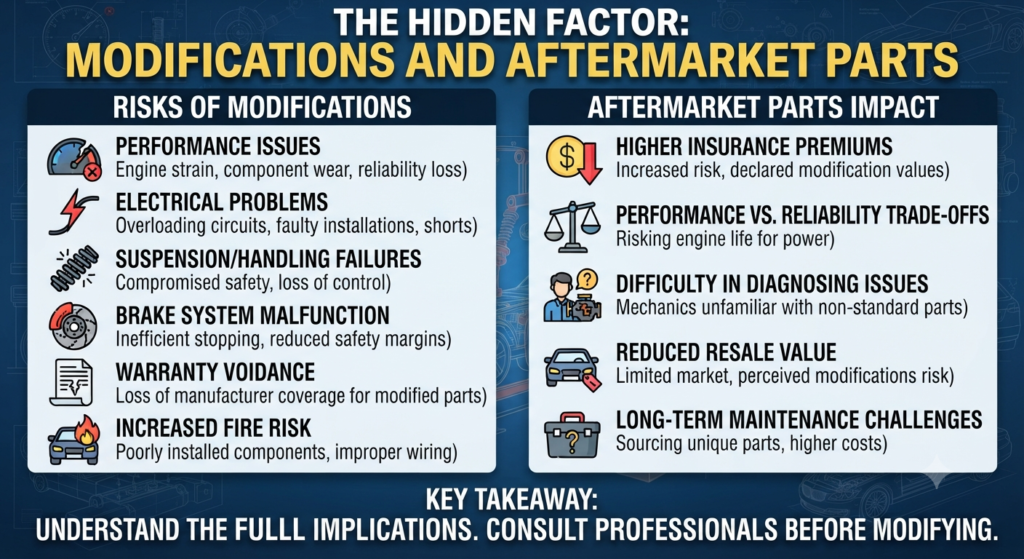
The Honda Civic has one of the most active enthusiast and tuner cultures in the automotive world. Many owners customize their cars with aftermarket exhausts, custom suspension kits, upgraded rims, and aesthetic body wraps.
Standard insurance policies are specifically designed to cover factory stock vehicles. If you invest thousands of dollars in aftermarket parts and fail to declare them, your insurance provider will not cover those upgrades if an accident occurs. Driving a heavily modified car can also signal to underwriters that the vehicle is driven aggressively, often leading to higher insurance premiums or policy cancellations.
The Impact of Credit Scores and Coverage Types
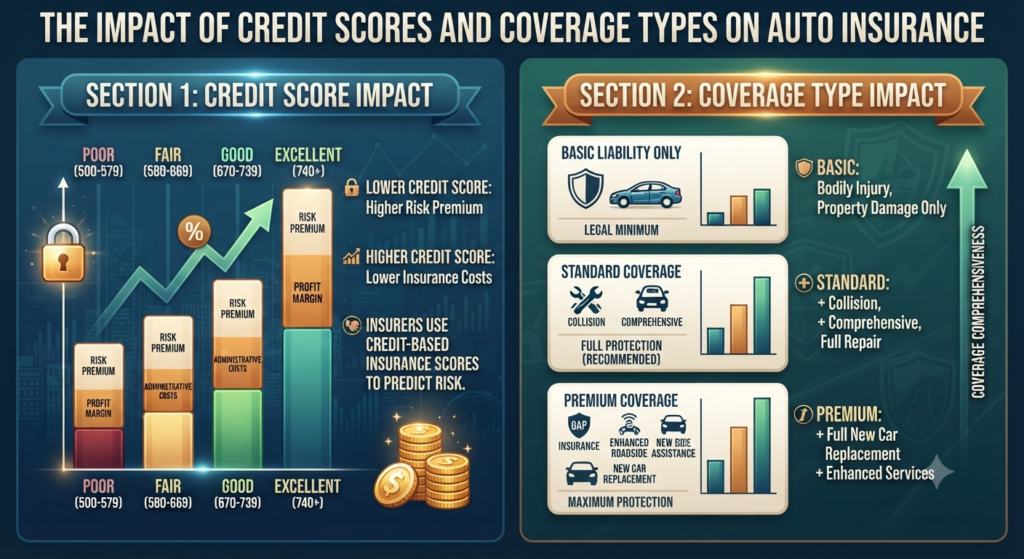
Your financial background plays a massive role in determining your monthly insurance bill. In most states, insurance companies use credit-based insurance scores to help predict the likelihood of a driver filing a claim. Drivers with lower credit scores often face significantly higher insurance rates because statistical correlations show lower credit scores tie into higher claims frequency.
Choosing the right coverage tier also matters immensely. Opting for liability-only insurance is cheap, but it leaves you completely unprotected if you cause an accident. Full coverage includes collision and comprehensive protection, which drives up the monthly cost significantly for a car prone to theft.
Actionable Ways to Lower Your Honda Civic Insurance Bill

- Shop Around and Compare Multiple Quotes:
Insurance rates fluctuate constantly. Requesting quotes from at least three national carriers every six months ensures you never get stuck paying an institutional loyalty penalty. - Adjust Your Deductibles Safely:
Raising your comprehensive and collision deductibles from $500 to $1,000 can instantly reduce your monthly premium. Just ensure you keep that extra cash saved safely in an emergency fund. - Leverage Available Discounts:
Always ask your insurance agent about stackable discounts. Good student discounts, defensive driving course completions, paperless billing, and safe driver telemetry apps can slash significant percentages off your bill.
Conclusion
Insuring a Honda Civic can feel frustratingly expensive due to high theft statistics, youthful driver demographics, and expensive modern repair technology. By understanding these risk factors, avoiding hidden coverage traps, and actively comparing providers, you can take full control of your policy, optimize your coverage levels, and keep more money in your wallet every single month.