
Buying a new Honda Civic is a significant financial step. If you have worked hard to build Tier 1 credit, you are in a prime position to secure excellent financing terms.
Many buyers believe that having an excellent credit score makes the process simple. They assume the lowest rate is automatically applied to their contract.
The reality is that auto financing is a negotiation. Even with the best credit score, you must be prepared to navigate the dealership process effectively.
This guide provides a comprehensive look at how to leverage your Tier 1 status. We will cover how to find the best rates, maximize your savings, and avoid hidden costs in 2026.
Understanding Tier 1 Credit in 2026
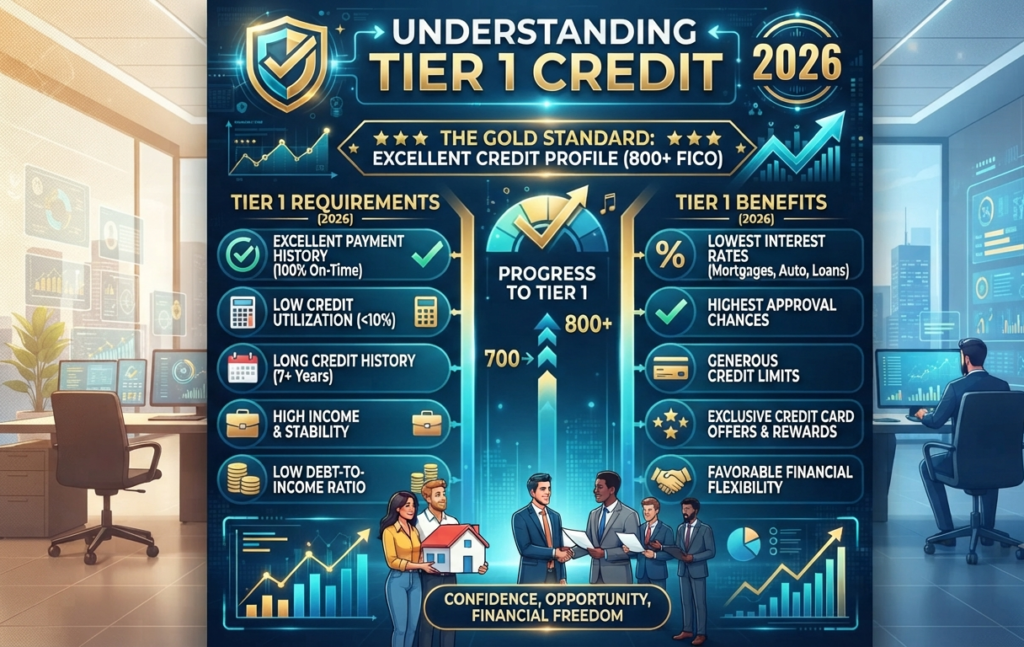
In the current automotive lending market, Tier 1 credit is typically reserved for borrowers with a FICO score of 740 or higher. Lenders view these individuals as the safest bets.
Because you represent low risk, you qualify for the most competitive APR offerings. As of mid 2026, these rates generally sit between 4.66 percent and 6.8 percent.
However, your credit score is only one factor that lenders evaluate. They also look at your debt to income ratio or DTI.
Your DTI is the percentage of your monthly gross income that goes toward paying debts. Even if your score is 800, a high debt load can cause a lender to hesitate.
Before you head to the dealership, check your credit report for errors. Ensure your personal information is correct and that no unauthorized accounts are listed.
The Power of Pre Approval

Never walk into a dealership without a financing offer in your pocket. This is the golden rule of buying a car.
Visit a local credit union or your primary bank a few days before visiting the Honda dealership. Request an auto loan pre approval.
A pre approval acts as a benchmark. It tells you exactly what rate you should expect for your credit profile.
When you present this offer to a dealer, it forces them to compete. They must either match or beat the rate provided by your bank to win your business.
If the dealer cannot match your rate, you are already prepared to use your outside financing. This gives you immense confidence throughout the negotiation.
Honda Financial Services vs Local Lenders
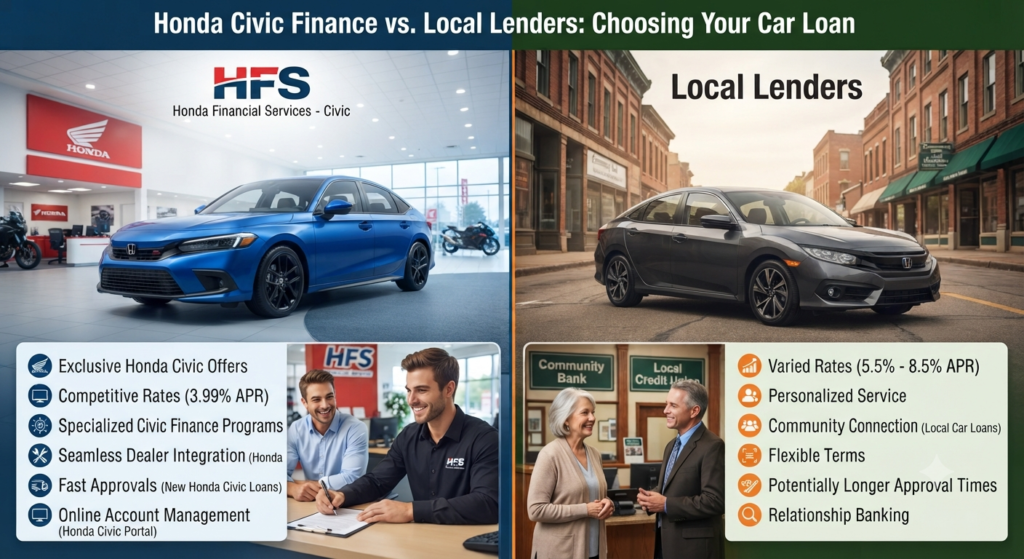
You will often face a choice between Honda Financial Services and an outside lender. Both options have distinct advantages.
Honda Financial Services often provides special manufacturer incentives. You might see promotional APR offers that are significantly lower than standard market rates.
These promotional rates are designed to move inventory. They are a great way to save money if you qualify for the specific model and term.
Local credit unions, on the other hand, often offer more personalized service. They might be more willing to negotiate terms based on your long term history with them.
Compare the total cost of both loans. Sometimes a slightly higher interest rate from a credit union is worth it if it comes with fewer hidden fees.
Choosing the Right Loan Term
The length of your loan is the most important factor in your total interest cost. While longer terms lower your monthly payment, they increase your interest expense.
A 48 month loan term will usually have a lower interest rate than a 72 month term. You will pay more each month, but you will save thousands over the life of the loan.
Most Tier 1 buyers prefer the 48 or 60 month options. These terms strike a good balance between monthly cash flow and overall cost.
Avoid 84 month loans if possible. The interest accumulates quickly over such a long period.
Additionally, cars depreciate over time. A very long loan term can lead to a situation where you owe more than the car is worth.
Navigating Dealer Markups
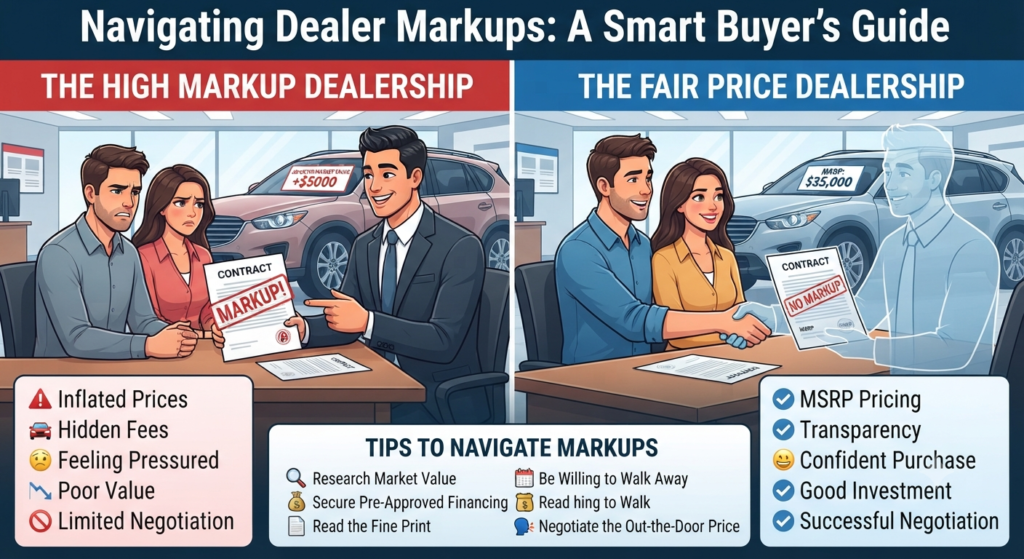
One of the biggest secrets in car financing is the dealer interest rate markup. Many buyers are unaware that this practice exists.
The lender provides the dealer with a buy rate. This is the minimum interest rate the lender is willing to accept for your loan.
The dealer then adds their own markup to this rate. They keep the difference as pure profit.
You have the right to ask if the rate you are being quoted is the buy rate. If the rate seems higher than what you saw online, politely challenge it.
Mention that you have a pre approval from your credit union. This usually encourages the finance manager to drop the markup immediately.
The Importance of the Down Payment
Even with excellent credit, a down payment is a strategic move. Putting 10 to 20 percent down significantly lowers the total amount you need to borrow.
A larger down payment reduces the risk for the lender. It also protects you from becoming upside down on your loan.
When you pay more upfront, you pay less interest over the term of the loan. This is simply because the principal balance is smaller.
If you have the cash available, use it to lower your monthly payment and your interest cost. It is a smart way to manage your financial health.
Beware of Unnecessary Add ons
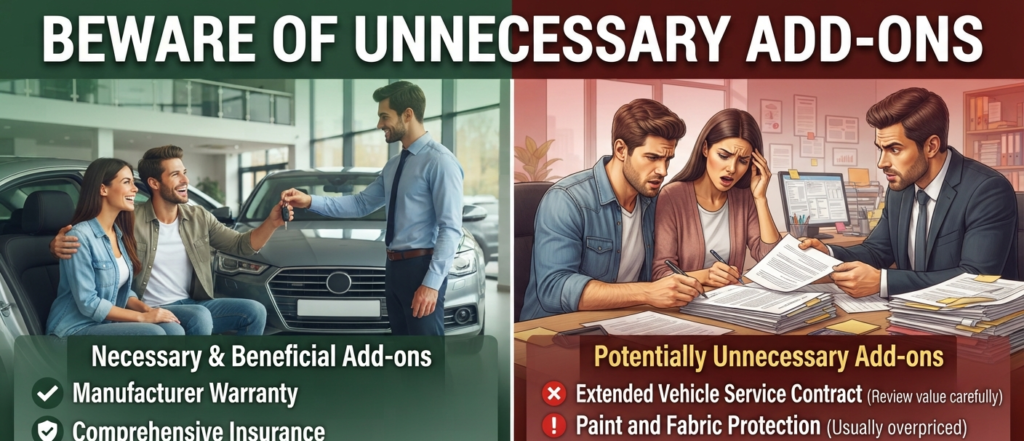
The finance office is where dealerships make a significant portion of their profit. You will likely be offered a variety of extra products.
These often include extended warranties, paint protection, and gap insurance. These items are added to the total amount you finance.
Adding a two thousand dollar warranty to your loan means you are paying interest on that warranty for years. Most of these products can be bought later for a lower price.
Politely decline these offers during the signing process. You can always research these items and buy them separately if you decide you actually need them.
Maximizing Incentive Stacking
Incentive stacking is a sophisticated way to lower your total vehicle cost. You should research these programs before you visit the dealership.
Honda frequently offers programs for college graduates, military personnel, and loyalty customers. These are often cash rebates or interest rate reductions.
You can often combine these incentives with standard financing offers. Ensure you ask the salesperson which programs you qualify for.
Do not assume the dealer will mention these automatically. Be proactive and do your own research on the official Honda website.
Maintaining Tier 1 Status for the Future
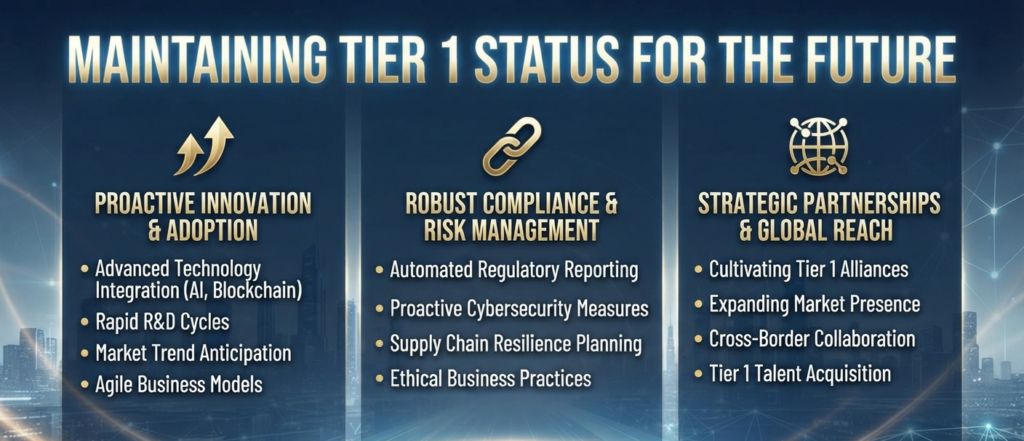
Financing your Civic is not just about today. It is about maintaining your financial health for years to come.
Make every payment on time. This is the most critical factor in your credit score.
Consider setting up automatic payments through your bank. This eliminates the risk of missing a due date.
Periodically review your credit report to ensure everything is accurate. As you continue to use credit responsibly, your Tier 1 status will remain strong.
This helps you get the best rates on your next car, mortgage, or other major life investments. Your credit is a valuable asset.
Conclusion
Financing a Honda Civic with Tier 1 credit is a rewarding experience. You have the leverage to control the terms of your deal.
Preparation is your greatest tool. Know your score, get a pre approval, and understand the terms of your loan before you sign.
Watch out for dealer markups and unnecessary add ons. Keep your loan term as short as you can afford to minimize interest.