
Buying a first car is a major rite of passage for any teenager. The Honda Civic Si often sits at the top of the wish list. It is stylish, fun to drive, and remarkably reliable.
However, once you get past the excitement of the test drive, reality sets in. As a parent, you quickly realize that insuring a teen driver is an expensive endeavor. When you add a sports tuned vehicle like the Civic Si to the mix, the costs can escalate quickly.
Many parents find themselves asking if the insurance premium is worth it. This guide provides a deep dive into the costs, the factors involved, and practical strategies to keep your budget intact.
Why the Honda Civic Si is Classified as High Risk
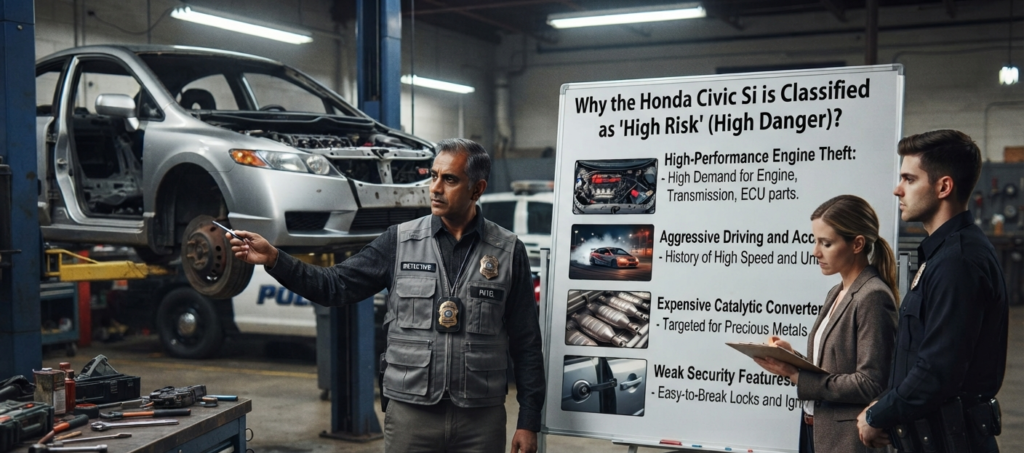
Insurance companies do not just look at the brand of the car. They look at the specific trim level and the engine performance. The Honda Civic Si is specifically engineered for a sportier driving experience.
In the eyes of an insurance underwriter, this means a higher risk of accidents. Younger drivers are already statistically more likely to be involved in collisions. When you combine a teenage driver with a high performance vehicle, insurers view the situation as a perfect storm.
They adjust the premiums accordingly to cover the increased likelihood of claims. This is why the quote for a standard Honda Civic LX will almost always be lower than the quote for an Si model. It is not necessarily about the safety rating, but about the car’s potential for aggressive driving.
Understanding the Inexperience Tax

Before looking at the car, we must look at the driver. A 16 year old is a novice in every sense of the word. They lack the split second decision making skills that come with years of road experience.
Insurance providers charge what industry experts call the inexperience tax. This is a massive premium increase that applies to almost every 16 year old driver in the country. It does not matter how well they did in driver’s education class.
Until the driver turns 25, they are generally considered a high risk category. When you pair this inherent risk with a vehicle that encourages speed, your insurance bill can become quite heavy. It is important to factor this into your total cost of ownership before you hand over the keys.
Real Numbers: What to Expect in 2026

| Coverage Type | Estimated Annual Premium | Impact on Household Budget |
| Adding Teen to Parent Plan | $3,500 – $5,000 | Moderate Increase |
| Standalone Teen Policy | $7,000 – $9,500+ | Significant Increase |
| Usage Based Program Added | $2,800 – $4,000 | Best Value Option |
It is difficult to provide an exact dollar amount without knowing your zip code and driving history. However, we can look at the average industry estimates for 2026. These numbers serve as a baseline for your family budget.
Adding a 16 year old to an existing parent policy is usually the most cost effective strategy. While it still causes a rate hike, it is far cheaper than forcing your teen to purchase a standalone policy.
If you opt for a separate policy, you should prepare for a significant financial burden. In some states, a teen with a standalone policy for a sportier car can see annual premiums exceeding nine thousand dollars.
Key Factors That Influence Your Specific Quote

Several variables go into the algorithm that calculates your final premium. Understanding these factors can help you make better decisions when shopping for a policy.
1. The Power of the VIN
Every car has a unique Vehicle Identification Number. When you provide this to an insurance company, they decode it instantly. It tells them exactly what engine the car has and how it is tuned. You cannot hide the fact that the car is an Si trim.
2. Geographic Location
Insurance rates are highly localized. If you live in a densely populated city with high traffic congestion, your rates will be much higher. Conversely, rural areas often see lower rates because the probability of a fender bender is statistically lower.
3. Coverage Limits and Deductibles
Do you want full coverage or just basic liability? Most lenders require full coverage if you are financing the vehicle. Raising your deductible is a great way to lower your monthly payments, but ensure you have that cash saved in case an accident occurs.
The Parent’s Dilemma: Safety vs. Style
Teens are often drawn to the aesthetics of the Honda Civic Si. It looks cool, sounds good, and feels fast. Parents, however, are usually focused on safety and budget.
The good news is that the Honda Civic is consistently rated as one of the safest cars on the road. Even the Si model retains many of the structural safety features of the base model. This is a strong selling point if you are negotiating with an insurance agent.
You can emphasize that your teen is driving a car with a modern chassis and multiple airbags. This safety profile can sometimes act as a small offset against the sporty classification.
Proven Strategies to Lower Insurance Premiums
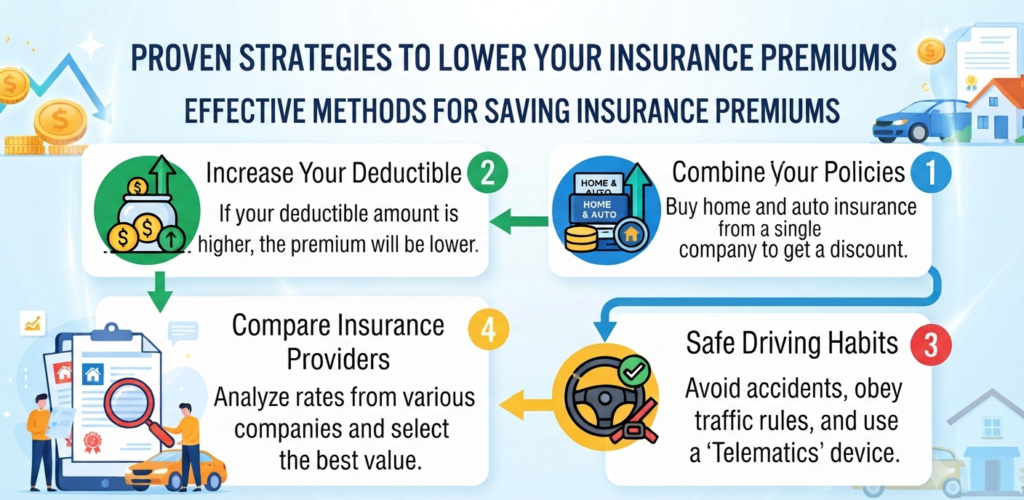
You are not powerless when it comes to your insurance bill. Many parents accept the first quote they receive, but this is a mistake. There are several ways to drive that cost down effectively.
The Good Student Discount
Most major insurers offer a discount for students who maintain a B average or higher. They see this as a proxy for responsibility. If your teen is a good student, be sure to provide their report card to your insurance agent.
Defensive Driving Courses
Many states allow teens to take extra defensive driving courses. These are not just for getting the license. Many insurance companies will permanently lower your premium if you provide a certificate of completion from an accredited course.
Bundle Your Policies
If you have your homeowners or renters insurance with the same company, ask for a multi policy discount. Combining everything under one umbrella is usually the fastest way to save money on your monthly bills.
The Power of Telematics
Usage based insurance is becoming the industry standard. Most providers now offer a small device or a smartphone app that tracks driving behavior. If your teen drives safely, does not speed, and avoids hard braking, you can save a significant percentage on your premium every single cycle.
Avoiding Common Mistakes
Parents often make mistakes that cost them thousands of dollars over the lifetime of the policy. Avoid these common pitfalls to stay on track.
- Not Shopping Around: Never stick with your current provider just because of brand loyalty. Always compare at least three different quotes.
- Choosing Too Little Coverage: Do not drop collision coverage just to save a few dollars. If your teen totals the car, you will be left with no vehicle and no payout.
- Ignoring VIN Accuracy: Ensure your policy correctly identifies the car. If they have it listed as a base model and you have an Si, they might deny a claim later.
When Should You Consider an Alternative?
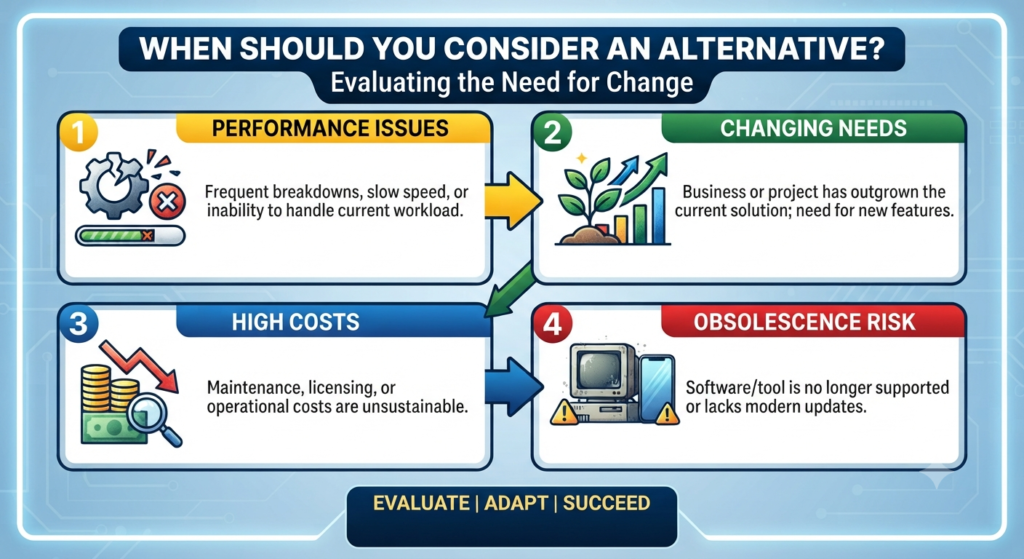
Sometimes, the math simply does not add up. If the insurance quotes for the Honda Civic Si are consistently blowing your monthly budget, consider an alternative for the first two years of your child’s driving life.
A standard Honda Civic or even a Honda Fit provides high reliability and safety at a fraction of the insurance cost. You can always upgrade to an Si once your child turns 18 or 19. By that time, their insurance rates will have already started to drop naturally.
Transitioning to a more expensive car after a few years of clean driving experience is a smart financial strategy. It allows your teen to build a driving record without the added pressure of high insurance premiums.
Final Thoughts for Parents
The Honda Civic Si is a wonderful vehicle that provides a great driving experience. It is a car that a teenager can be proud of while staying relatively safe on the road.
While the insurance costs are undoubtedly high for a 16 year old, they are manageable with the right approach. By utilizing student discounts, enrolling in telematics programs, and bundling your policies, you can take control of the situation.
Always remember that insurance is a negotiation. You have the right to ask questions and demand better rates. Start your research early, compare multiple providers, and choose the path that makes the most sense for your family’s financial future.
Frequently Asked Questions
Is the Honda Civic Si more expensive to insure than a V6 sedan?
Surprisingly, not always. Insurers look at risk, not just engine size. A smaller, sportier car can sometimes be cheaper to insure than a large, powerful sedan because the sedan may be classified differently.
Can I list my teen as an occasional driver?
Only if they truly are an occasional driver. If they are the primary user of the vehicle, you must list them as such. Failing to do so is considered insurance fraud and could result in denied claims.
How much does a good student discount typically save?
Most insurers offer between five and fifteen percent off the premium for students who meet their academic requirements. It is one of the most consistent discounts available.
Does color affect insurance rates?
This is a popular myth. Insurance companies do not care about the color of your car. They only care about the make, model, trim, and your personal driving record.
How often should I re-evaluate my insurance policy?
You should review your policy every six months. As your teen gains more driving experience and moves toward their 18th birthday, you may become eligible for lower, more competitive rates.