
Buying a Honda Civic is a smart choice. It is reliable, fuel-efficient, and holds its value better than most cars on the road.
However, even a reliable car like a Civic depreciates the moment you drive it off the lot. If you finance your vehicle, you might find yourself in a dangerous financial position known as being underwater or upside down.
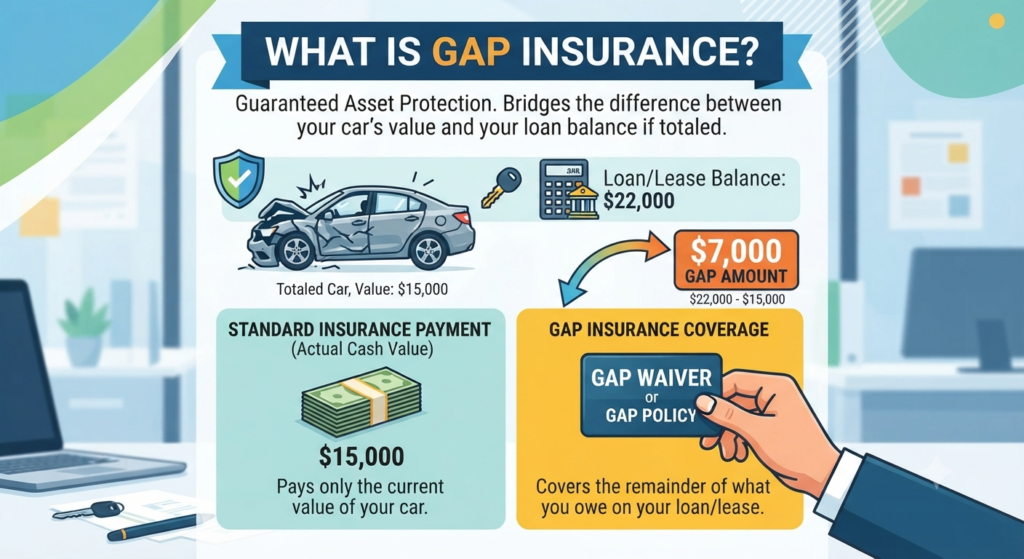
This happens when you owe more on your loan than what the car is actually worth. If your car is stolen or totaled, your primary insurance will only pay the current market value.
You are then left to pay the difference out of your own pocket. This is where gap insurance becomes a critical safety net.
What Exactly is Gap Insurance?
Many car buyers confuse gap insurance with other types of coverage. It is important to clear this up early.
Gap insurance stands for Guaranteed Asset Protection. It is not a warranty. It does not pay for your oil changes, your new tires, or your engine repairs.
It is strictly a financial bridge. It covers the gap between your insurance payout and your remaining loan balance.
For a Honda Civic owner, this is vital. Because these cars are popular, they are frequently stolen. If your Civic is stolen and not recovered, you still have to pay off your loan.
Without gap insurance, you could be making payments on a car you no longer possess. That is a financial headache no one wants.
How Honda Civic Depreciation Affects Your Need for Gap
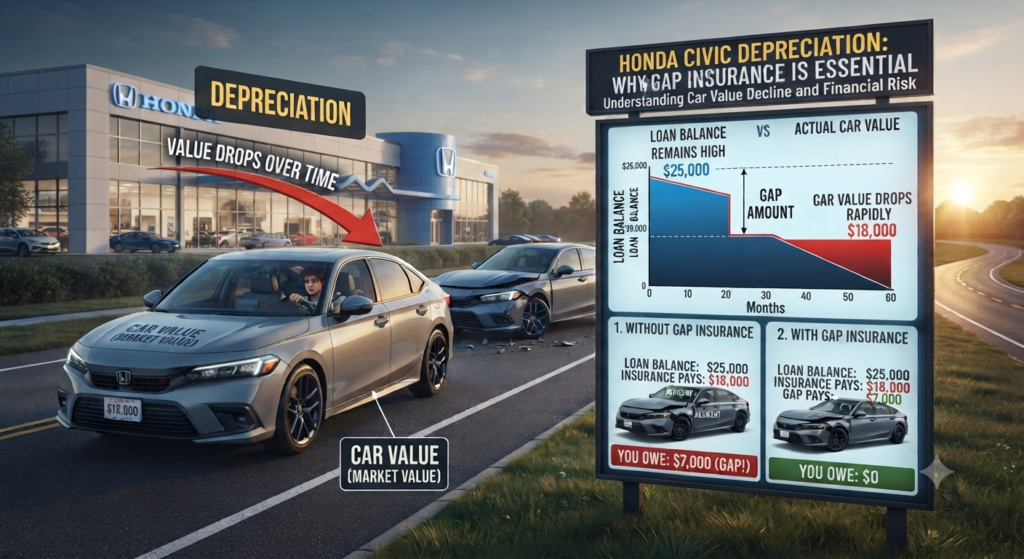
Honda Civics are famous for their resale value. But even with great resale value, depreciation is a reality for every new car.
In the first year of ownership, a new vehicle can lose up to 20 percent of its value. By the time you reach year three, the value may have dropped by 40 percent.
If you put a small down payment on your car, your loan balance will likely decrease much slower than the car loses value. This creates a large gap.
If you have a 72-month or 84-month loan, the risk is even higher. Long-term loans are notorious for keeping owners in negative equity for years.
The Real Cost Breakdown: Dealer vs. Provider
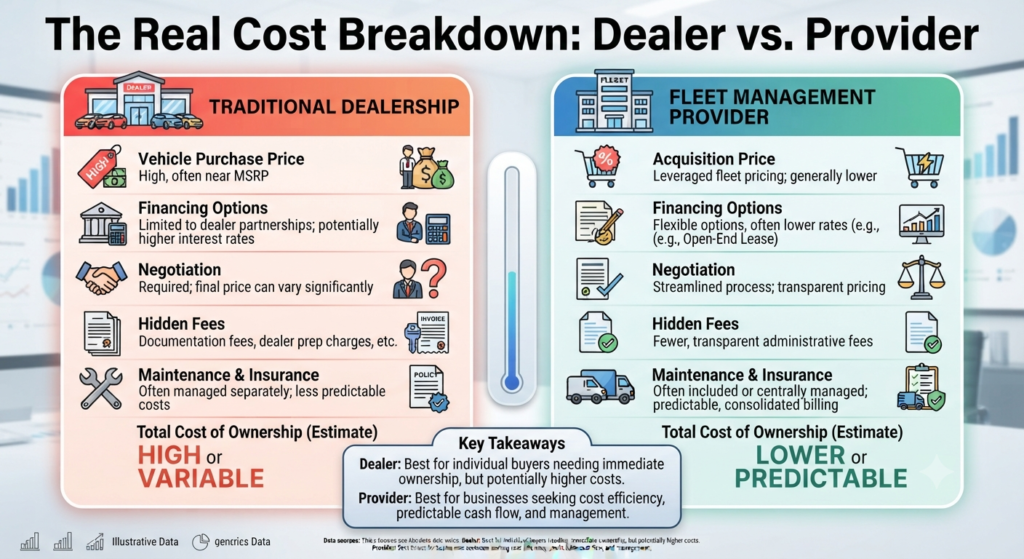
The price you pay for gap insurance varies significantly based on where you buy it. You should always look at the total cost of ownership.
Dealer-Sold Gap Insurance
When you buy from a dealer, they often package the insurance into your finance contract. It is convenient, but it is rarely cheap.
You can expect to pay anywhere from $500 to over $1,000 for this protection. Many dealers do not even give you a clear price.
They simply tell you it adds a few dollars to your monthly payment. This is a red flag. You should always demand the total price in writing.
Auto Insurance Policy Add-ons
Most major auto insurance companies offer gap coverage. They often call it Loan or Lease Payoff coverage.
This is usually the cheapest option available. You pay a small monthly fee, often between $3 and $15.
The best part is that you can cancel this coverage at any time. Once you have paid down enough of your loan, you can simply call your insurer and remove it from your policy.
Credit Union and Bank Options
If you financed your Honda Civic through a credit union, ask them about their gap insurance rates.
They are often much more affordable than the dealer. Many credit unions offer flat-rate pricing around $200 to $400 for the life of the loan.
Why You Should Avoid Financing Your Insurance
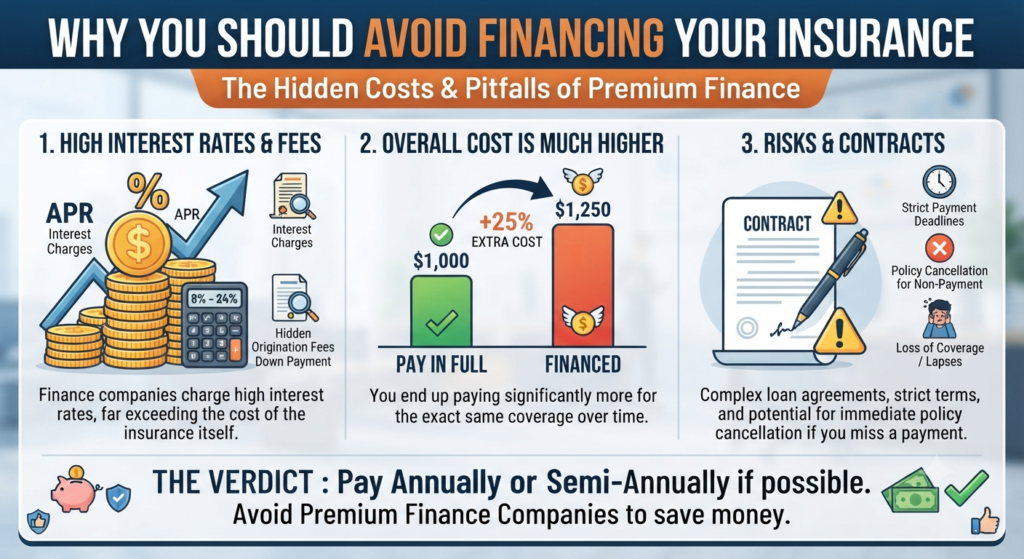
This is one of the most important lessons in car buying. Never finance your gap insurance premium.
When you add the cost of gap insurance to your loan principal, you are charged interest on it. You end up paying for the insurance, plus the interest on that insurance for the next several years.
If your gap insurance costs $800, and you finance it over 60 months at a high interest rate, that insurance might actually cost you $1,000 or more by the time you pay it off.
Always try to pay for your insurance separately or add it as a monthly premium to your standard insurance policy. This keeps your loan balance lower and your interest payments down.
Common Myths About Gap Insurance
There is a lot of misinformation surrounding this topic. Let us debunk a few common myths.
Myth 1: My Comprehensive Insurance Covers the Gap
Many people believe that their full-coverage insurance automatically covers the full loan balance. This is false.
Comprehensive and collision coverage only pay for the actual cash value of the vehicle. If you owe $20,000 and the car is worth $16,000, your insurance will only pay $16,000. You are responsible for the remaining $4,000.
Myth 2: I Can Only Buy Gap Insurance at the Dealer
You are not required to buy insurance from the person who sells you the car. You can buy gap insurance from your current insurer, a new insurer, or a third-party company.
Myth 3: Gap Insurance is Forever
You do not need gap insurance for the entire time you own the car. You only need it while your loan balance is higher than the car’s market value.
Once you have paid off a significant portion of your loan, you should cancel the coverage to save money.
Step-by-Step: How to Get the Best Deal
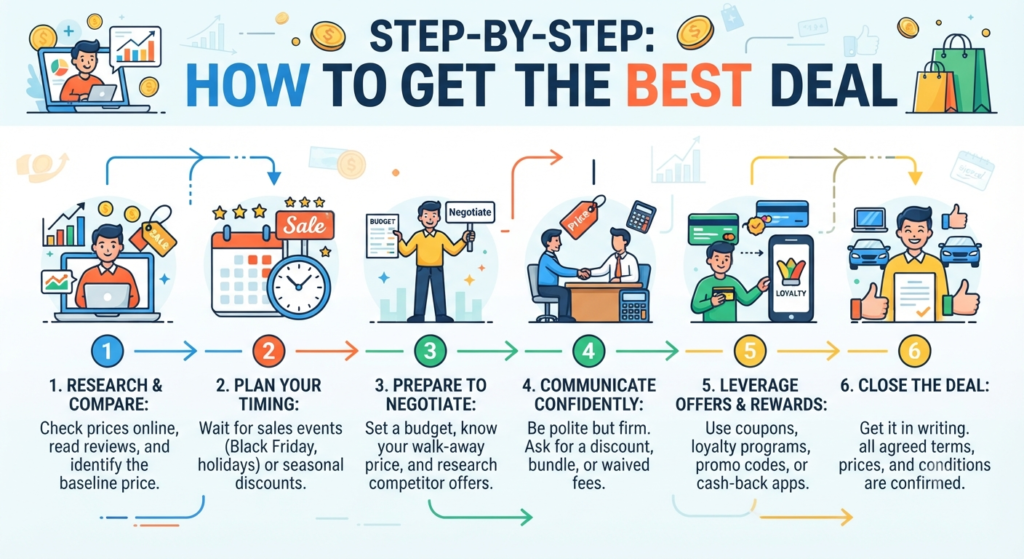
Follow this process to ensure you get the protection you need without overpaying.
- Check your loan balance: Before you buy, look at your amortization schedule. See when your loan balance will drop below the estimated value of your Civic.
- Call your current insurer: Ask them specifically for a quote on gap insurance or loan payoff coverage. Have your VIN number ready.
- Ask for the dealer’s price: If you are at the dealership, ask for the exact price of their gap insurance. Compare it to your insurer’s quote.
- Read the fine print: Some gap policies have a maximum payout limit. Ensure the policy covers at least 120 to 150 percent of the car’s value.
- Confirm the deductible coverage: Some policies will pay your primary insurance deductible up to $500 or $1,000. This is a great added benefit.
When Should You Skip Gap Insurance?
You might not need gap insurance if you meet certain criteria.
If you put a large down payment of 20 percent or more on your Honda Civic, you are likely not underwater on your loan. In this case, you might be able to skip the extra cost.
If you have a very short loan term, such as 24 or 36 months, your loan balance will drop quickly. You might only need gap coverage for the first few months of your ownership.
If you are paying cash for your car, you definitely do not need gap insurance. The concept only applies to financed vehicles.
The Financial Risk of Being Underwater
Living with negative equity is stressful. If your car is totaled while you are underwater, you have to find a way to pay off the bank before you can buy a new car.
Most people do not have thousands of dollars in emergency savings to cover a loan balance. This is why gap insurance is considered a smart financial move for most borrowers.
It turns a potential financial disaster into a manageable situation. It allows you to walk away from a totaled car without a lingering debt.
Frequently Asked Questions

Is it worth it to buy gap insurance for a used Honda Civic?
Yes, if you are financing a used car and put down a small amount, you are still at risk. Even used cars can be totaled or stolen.
Can I add gap insurance after I buy the car?
Some insurance companies allow this, but many have time limits. It is best to add it as soon as you finalize your car purchase.
What happens if I trade in my car early?
If you trade in your car while you have negative equity, you will often roll that debt into your new car loan. Gap insurance does not cover this rolled-over debt.
Is gap insurance mandatory?
It is not legally required by the state. However, your lender might require it as a condition of your loan contract. Check your loan agreement carefully.
How do I cancel my gap insurance?
If you have it through your auto insurer, a simple phone call is usually enough. If it is through the dealer, you may need to submit a written request to the finance office.
Final Advice for Honda Civic Owners
Your Honda Civic is a reliable machine that deserves the right protection. Do not let the finance office pressure you into buying expensive products you do not need.
By doing your homework and comparing quotes from your insurance provider, you can save hundreds of dollars. Focus on getting the coverage you need at a price that makes sense for your budget.
Keep your loan term short, maintain your car well, and you will stay on the road with peace of mind. Remember, the best financial decisions are made when you are informed and prepared.