
Finding a vehicle with a rebuilt title can feel like you have finally found the perfect deal. You get a reliable car, such as a Honda Civic, for thousands of dollars less than the market price for a clean-title model.
It is a smart move for budget-conscious drivers. You get modern features, decent fuel economy, and reliable performance without the heavy price tag.
However, the excitement often turns into frustration when you attempt to secure insurance. Many buyers assume that all insurance companies treat rebuilt titles just like any other vehicle.
The reality is much more complex. Getting coverage from major carriers like Geico or Liberty Mutual is possible, but it comes with strict requirements.
This guide will explain exactly what you need to know to get your rebuilt title vehicle insured. We will cover the risks, the process, and the specific documentation you need to succeed.
Understanding the Rebuilt Title Classification
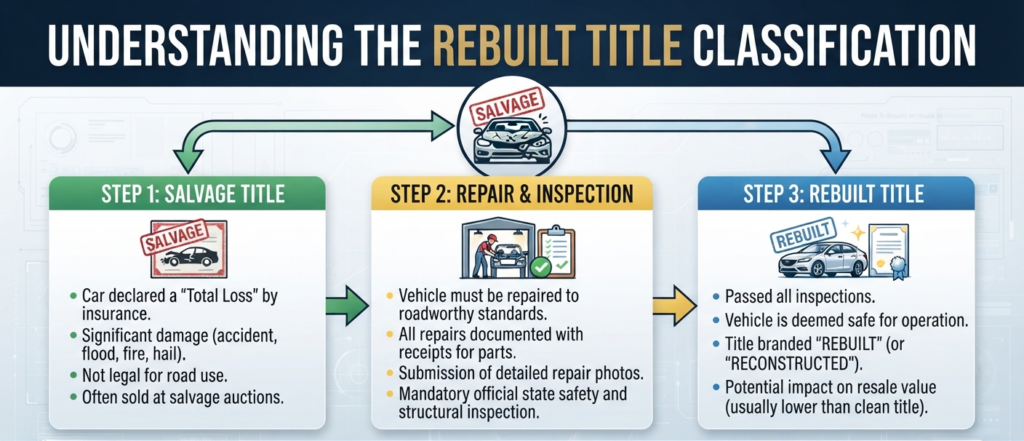
Before you can talk to an insurance agent, you must understand the status of your vehicle. There is a massive difference between a salvage title and a rebuilt title.
A salvage title is issued when an insurance company declares a car a total loss after a crash, flood, or theft. It is essentially a piece of metal that is not fit for the road.
You cannot legally drive a vehicle with a salvage title on public roads. It is considered unsafe and uninsurable in its current condition.
A rebuilt title is what you get after a salvage vehicle passes a rigorous state inspection. This title proves that the car has been repaired and is now deemed roadworthy.
Insurance companies view these vehicles as higher risks. They worry about “hidden” damage that could fail during an emergency maneuver on the highway.
Why Major Insurers are Hesitant

You might wonder why companies like Geico or Liberty Mutual make it difficult to insure these cars. It comes down to basic risk management.
When a car is totaled, the frame, electrical system, or safety features may have been compromised. Even if the car looks perfect on the outside, internal issues can persist.
Insurance companies use complex algorithms to predict the likelihood of a claim. A car with a history of severe damage is statistically more likely to be involved in a mechanical failure.
Furthermore, these companies struggle to establish the “Actual Cash Value” of a rebuilt vehicle. If you crash the car again, calculating the payout is legally complicated.
They are essentially protecting themselves from the uncertainty of the vehicle’s structural integrity. This is why you cannot always just buy a policy online.
Geico vs. Liberty Mutual: A Policy Breakdown
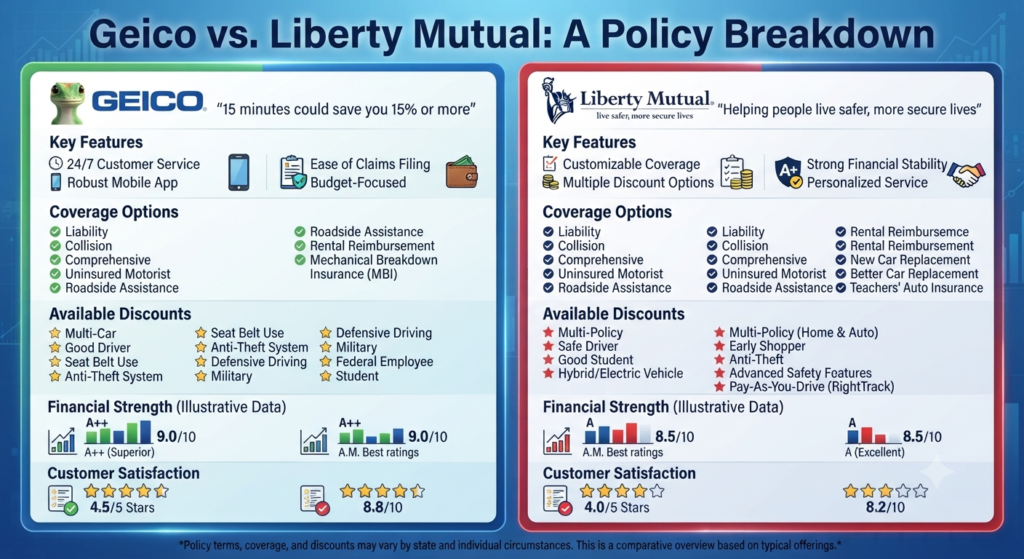
Both Geico and Liberty Mutual will generally offer insurance for vehicles with rebuilt titles. However, they approach these policies with different levels of caution.
Geico’s Policy Approach
Geico is often cited by users as being approachable for rebuilt title insurance. They typically offer liability coverage without major friction.
If you are only looking for liability protection, the process is usually straightforward. You provide the VIN, and they give you a quote.
However, things change if you want full coverage. If you want collision and comprehensive, they may require additional documentation.
Liberty Mutual’s Strategy
Liberty Mutual is also a viable option. Like Geico, they are generally willing to provide liability coverage.
They tend to focus heavily on the quality of the repair. They may request a certified mechanic’s statement or photos of the repair process.
In both cases, you should avoid buying a policy online if you need full coverage. It is better to call a licensed agent and explain that the vehicle is a rebuilt title.
The Full Coverage Hurdle
The biggest challenge is not getting liability insurance. It is getting full coverage for your car.
Collision coverage pays to repair your car if you hit something. Comprehensive covers things like theft, fire, or weather damage.
Insurers are hesitant to offer these for rebuilt cars. They do not want to pay for a car that was already written off once before.
If they do approve full coverage, your premiums will almost always be higher. You should expect to pay about 15 to 25 percent more than a standard vehicle.
The insurance company is charging you for the added risk of insuring a vehicle with a non-standard history.
The Pro Checklist for Approval
You can significantly increase your chances of getting approved by being organized. Never wait until after you have purchased the car to find out if it is insurable.
Here is the professional checklist you should use:
- Gather all repair documents: Keep every receipt for parts and labor. This proves the work was done correctly.
- Keep before and after photos: Visual proof of the damage and the repair process is the best evidence you can provide to an adjuster.
- Obtain the inspection report: Have your state safety certificate ready. This is the most important piece of legal evidence.
- Contact the insurer before you buy: Provide the VIN to the insurance company’s support team. Ask them directly if they will offer full coverage for that specific VIN.
- Get a professional appraisal: Sometimes, an independent appraisal report can convince an insurer of the car’s actual value.
Addressing Community Pain Points

Many buyers get frustrated during this process. Here are the answers to the most common concerns that new owners face.
Will my premiums always be higher?
Usually, yes. Even if the car is perfectly repaired, the insurance company views the “rebuilt” label as a permanent marker of risk.
What happens if I have an accident later?
If the car is totaled a second time, the insurance payout will likely be very low. The company will only pay the current market value, which is already depressed by the title status.
Is it worth the hassle?
It depends on your financial goals. If you are buying a car for a short-term need, the savings on the purchase price might outweigh the insurance costs.
However, if you plan to keep the car for a decade, consider the long-term cost of higher insurance premiums.
Why Honda Civics are Common Targets
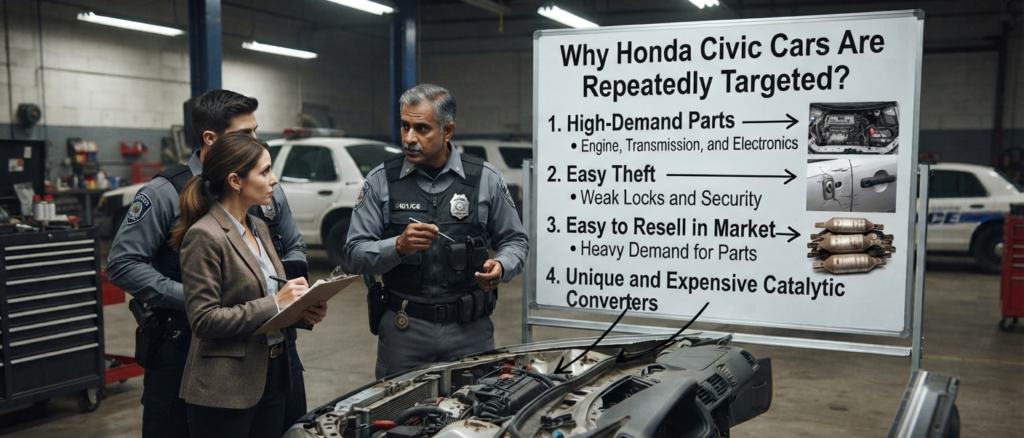
You mentioned the Honda Civic in your research. There is a reason for this.
Civics are incredibly popular. Parts are cheap, abundant, and easy to find. This makes them the perfect candidates for rebuilt projects.
Insurance companies are very familiar with the Civic platform. Because there are millions of them on the road, they have a lot of data on them.
This familiarity can actually work in your favor. An agent is less likely to be surprised by a rebuilt Honda Civic than by a rare, high-performance vehicle.
Final Tips for Your Insurance Application
When you call Geico or Liberty Mutual, be transparent. Never hide the fact that the title is rebuilt.
If you omit this information, your claim will be denied later. The insurance company will find out the title status the moment you file a claim.
Be polite but firm. If the first agent says no, ask to speak to a supervisor who handles non-standard vehicle policies.
Make sure you have your documentation ready in a digital folder. Being able to email proof of repair instantly makes you look like a prepared, responsible owner.
Conclusion
Getting insurance for a rebuilt title Honda Civic or any other vehicle is entirely possible. Geico and Liberty Mutual are valid options if you have the right documentation.
Do not go into this process blind. Always verify the insurance status before you transfer the title.
By keeping your records organized and being transparent with your agent, you can secure the coverage you need. Save money on the car, but never compromise on the protection you deserve.