
You turn the key in your Honda Civic ignition. A yellow wrench flashes on the digital dashboard.
The oil life monitor reads 0 percent. It might even show a negative mileage number counting upward every day.
Many drivers ignore this warning light. They assume it is just a marketing trick designed by dealerships to make extra cash.
Treating the Honda Maintenance Minder as a simple suggestion leads to expensive engine damage. Top automotive experts warn that ignoring it ruins your car’s reliability and resale value.
How Competitors Explain the Honda Algorithm
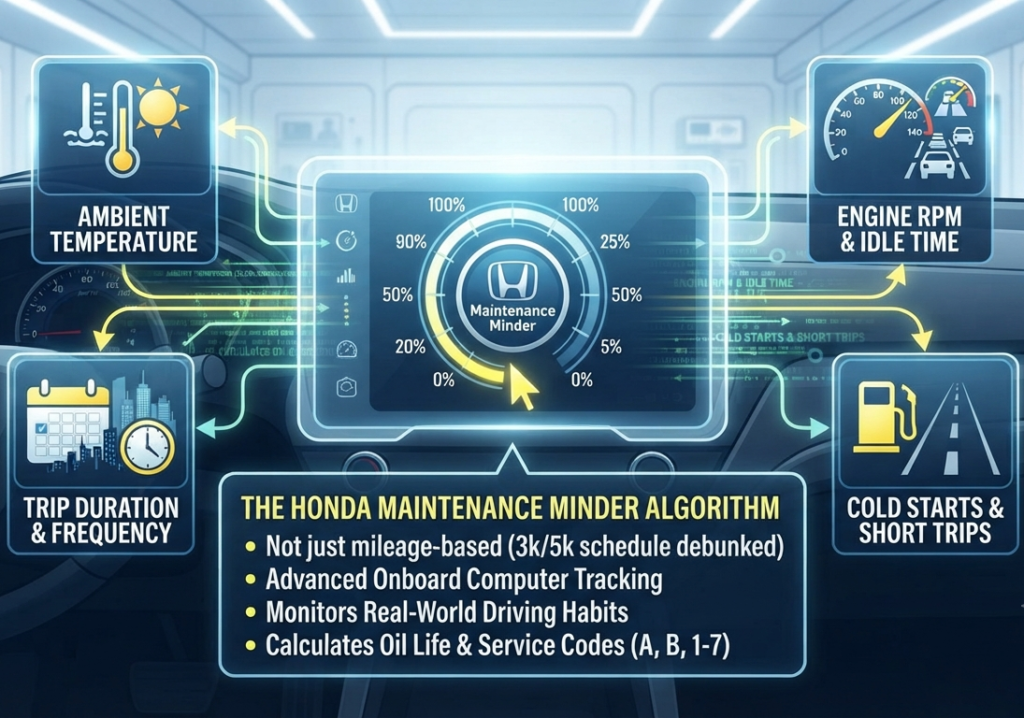
Top automotive blogs point out a major misconception. Most people think the car runs on a basic 3,000-mile or 5,000-mile schedule.
Honda uses an advanced onboard algorithm instead. This computer tracks real-world driving habits.
It monitors ambient outdoor temperatures, average engine speeds, short city trips, and heavy idle times in traffic.
When oil life hits 15 percent, the system triggers code warnings. At 5 percent, service is due immediately.
Reaching 0 percent means the engine operates past its safe design threshold.
The Breakdown of Main Codes A and B
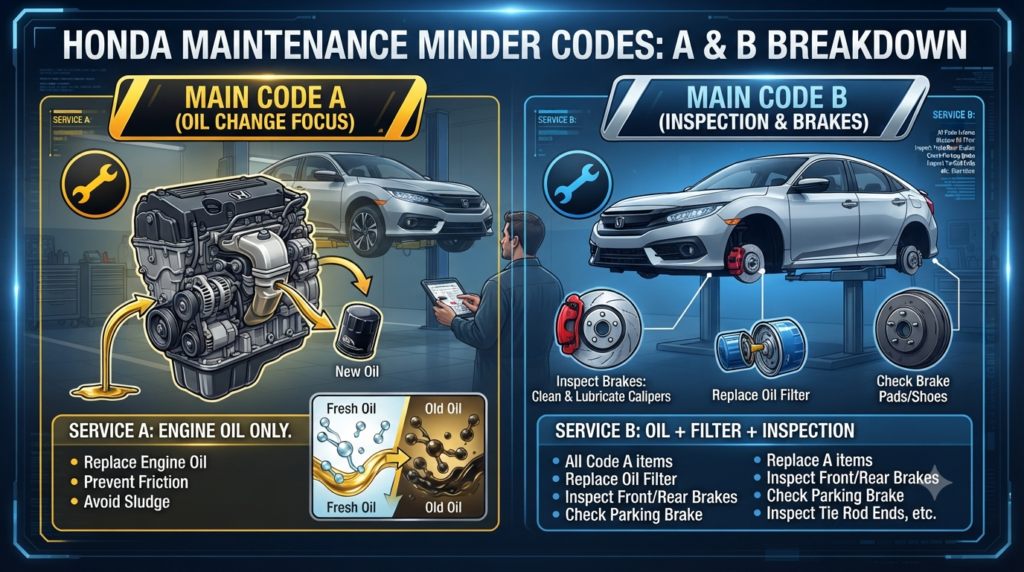
Competitor sites emphasize that main codes require immediate attention because they target core safety and lubrication systems.
What Ignoring Code A Does
Code A signals that your engine oil needs a fresh swap. Old oil loses its viscosity and molecular structure.
Friction builds up fast between fast-moving metal parts. This creates sludge that blocks tiny oil pathways inside the block.
What Ignoring Code B Does
Code B means your oil filter and engine oil must change alongside a full vehicle inspection. It covers your braking hardware.
Ignoring Code B lets road salt and brake dust seize your sliding brake calipers. Your brake pads wear down unevenly, ruining your rotors.
The Turbocharger and Direct Injection Crisis
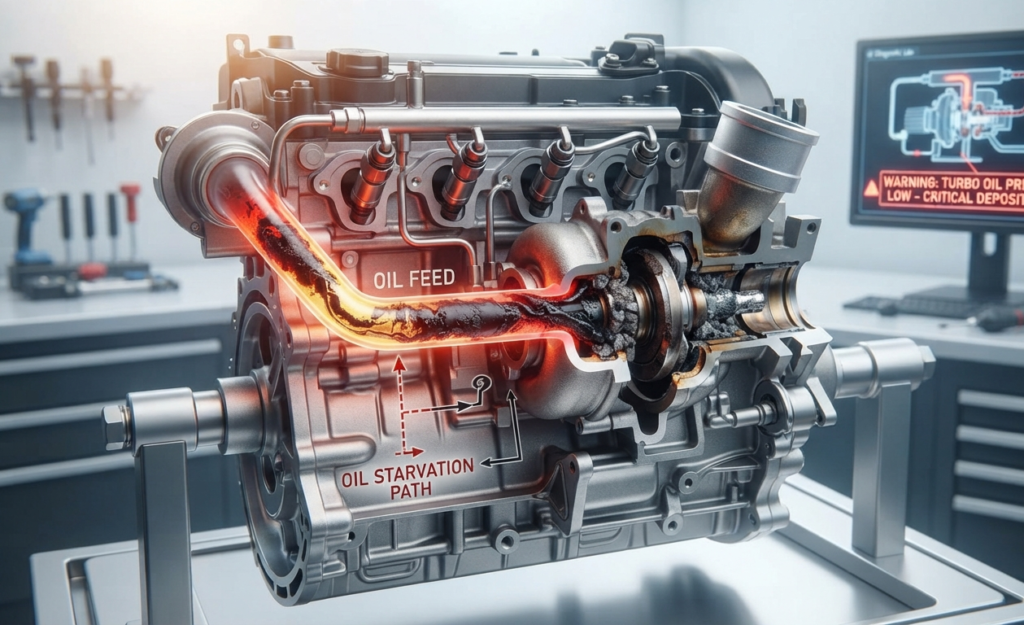
Recent competitor articles on modern Honda Civics highlight the 1.5-liter turbocharged engine. These engines run much hotter than older models.
Turbochargers spin at extreme speeds. They depend entirely on clean engine oil to stay cool.
Old oil cooks under high heat. This process forms hard carbon deposits inside the tiny oil feed lines.
Once those lines clog, your turbocharger bearings starve of oil. They fail completely, resulting in a massive repair bill that costs thousands of dollars.
Neglected Sub-Codes and Hidden System Failures

Top enthusiast forums point out that drivers focus only on oil and forget numbers 1 through 7.
- Sub-Code 2 tells you to replace the engine air filter. A clogged filter chokes airflow, dropping your gas mileage significantly.
- Sub-Code 4 requires new spark plugs. Bad spark plugs cause severe engine misfires and destroy your catalytic converter.
- Sub-Code 7 requires fresh brake fluid. Old fluid absorbs moisture over time, creating a spongy pedal feel and dangerous braking delays.
The Danger of Manual Resets and Carfax History
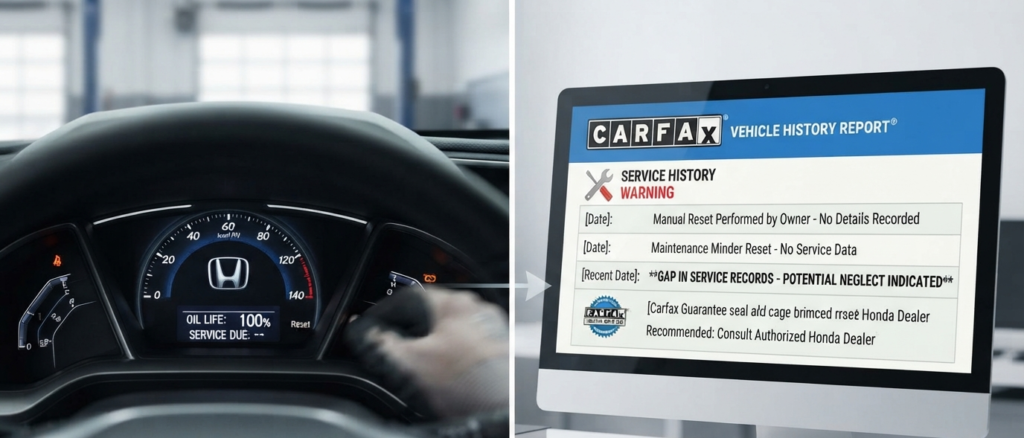
Many DIY owners look up online tricks to clear the dashboard light without doing any actual maintenance work.
Doing this desynchronizes the car computer tracking system. The algorithm can no longer calculate accurate service intervals for your driving style.
US buyers and dealerships check digital service records and Carfax reports closely. Missing maintenance history destroys your trade-in value when you try to sell the car.